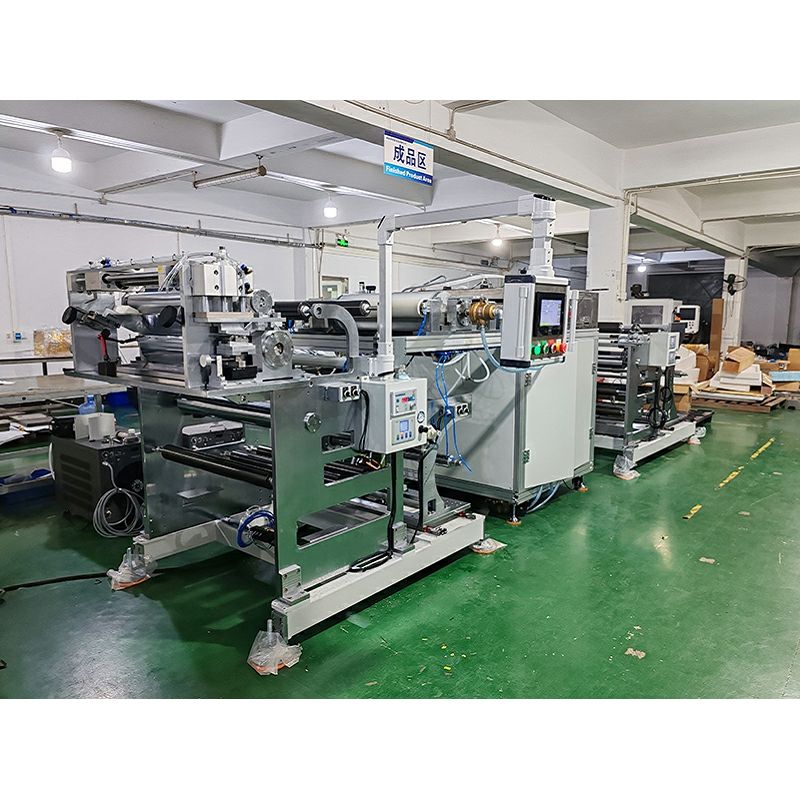

What are the characteristics of a coating production line and the requirements for a cleanroom?
Characteristics of Coating Production Workshops
1. A defining characteristic of coating workshops is the emission of flammable, explosive, and volatile organic compounds (VOCs)-a potential hazard inherent in the entire coating process. These VOC emissions pose fire safety risks, contribute to air pollution, and result in energy waste, thereby increasing operational risks for the enterprise, driving up costs, and diminishing economic returns. Consequently, the planning and design strategy centers on an integrated approach, prioritizing the construction of clean air conditioning systems, supply and exhaust ventilation systems, RTO (Regenerative Thermal Oxidizer) exhaust treatment systems, automated control systems, and fire safety systems.
2. A coating workshop typically comprises several distinct zones: the coating head area, the winding/unwinding area, the multi-tier drying oven area, the adhesive preparation area, the slitting and rewinding area, the curing area, the raw material warehouse, and the finished goods warehouse. To accommodate the specific requirements of each zone-including cleanliness levels, temperature and humidity parameters, and simultaneous usage rates-the clean air conditioning system is segmented into distinct zones. These zones are then integrated under a centralized control system, ensuring flexible and convenient operation.
3. The adhesives utilized in the coating head and adhesive preparation areas typically contain flammable, explosive, and pungent-smelling solvents. Excessive solvent concentrations within the workshop pose a significant risk of fire and explosion; furthermore, they compromise operator comfort and endanger employee health. To mitigate the concentration of these hazardous solvents and prevent the migration of pungent fumes into adjacent areas, the air conditioning systems in the coating head and adhesive preparation zones are typically designed as "100% fresh air + exhaust" systems, with no air recirculation. Additionally, these zones are maintained under a slight negative pressure relative to adjacent workshops.
4. Given the substantial volume of fresh air required by the workshop-and the temperature rise caused by heat transfer within the drying oven zones-an appropriate safety margin should be applied when calculating the required cooling capacity. In the winding and unwinding areas, where personnel are actively working, supplementary air supply outlets may be installed to provide localized cooling; however, these outlets must not be positioned directly above the machinery.
5. The multi-tier drying oven area constitutes a high-temperature zone generating a massive amount of heat. If this area is enclosed within a partition constructed from color-coated steel panels, the generated heat becomes trapped and cannot dissipate effectively. This accumulation of heat will cause temperatures within the enclosed partition to rise continuously, thereby accelerating the aging and deterioration of internal equipment components. Moreover, during active operation, the extreme temperatures would render it impossible for personnel to enter the multi-tier area to perform maintenance or repair tasks. Therefore, the second floor requires the installation of fresh air and exhaust systems to enhance air circulation and reduce humidity levels.
Coating Process
The coating process for this project can be broadly categorized into the following stages: primary unwinding, dust removal, corona treatment, adhesive coating, leveling, curing, secondary unwinding, lamination, web accumulation, rewinding, curing/aging, slitting, and final rewinding.
Floor Plan Layout
1. Coating Workshop Area: Shoe-changing room, locker room, clean corridor, temporary staging area, coating workshop zone, curing/aging room, slitting and rewinding area, inspection room, semi-finished goods warehouse, finished goods warehouse, packaging room, etc.
2. Adhesive Preparation Area: Locker room, temporary adhesive storage area, mixing and preparation zone, adhesive supply zone, etc.
Based on the requirements typical of standard coating enterprises, Zhengyuan Environment has summarized the environmental parameter requirements for the cleanroom areas as follows:
- Coating Head Area: Static Class 1,000; Temperature: 23°C ± 2°C; Humidity: 55% ± 5%.
- Coating Zone: Static Class 10,000; Temperature: 23°C ± 2°C; Humidity: Uncontrolled.
- Slitting Workshop: Static Class 10,000; Temperature: 23°C ± 3°C; Humidity: Uncontrolled.