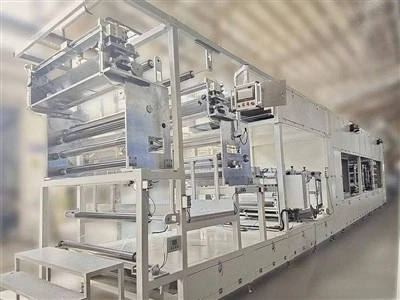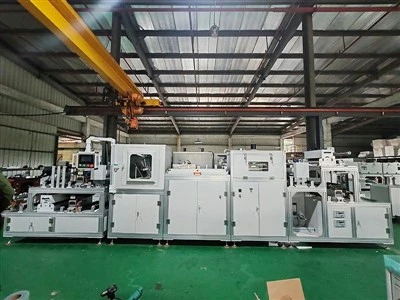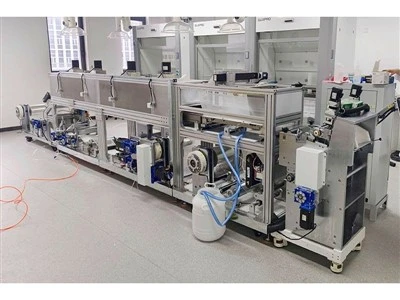

When delving into the realm of coating technology, the Dual Station Coating Machine stands out as a remarkable innovation. As a leading supplier of Dual Station Coating Machines, I am excited to share insights into the coating surface finish achieved by these advanced pieces of equipment.
Understanding the Basics of Coating Surface Finish
The coating surface finish refers to the quality and appearance of the coating layer applied to a substrate using a coating machine. It encompasses various aspects, including smoothness, uniformity, glossiness, and adhesion. A high - quality coating surface finish is crucial as it not only enhances the aesthetic appeal of the product but also provides protection against environmental factors, wear and tear, and chemical damage.
Factors Affecting the Coating Surface Finish of a Dual Station Coating Machine
1. Coating Material
The type of coating material used plays a significant role in determining the surface finish. Different coating materials, such as polymers, resins, and paints, have distinct properties. For example, UV - curable coatings can provide a high - gloss, hard, and scratch - resistant finish. Our UV Coating Machine 1 is specifically designed to work with UV - curable coatings, ensuring a smooth and durable finish. These coatings cure rapidly when exposed to ultraviolet light, reducing the risk of surface imperfections caused by dust or debris settling on the wet coating.
2. Substrate Characteristics
The nature of the substrate also impacts the coating surface finish. Substrates can vary in terms of surface roughness, porosity, and chemical composition. A rough substrate may result in an uneven coating finish, while a porous substrate can absorb the coating material unevenly, leading to variations in thickness. Our Dual Station Coating Machines are equipped with advanced pre - treatment systems that can modify the substrate surface to ensure better coating adhesion and a more uniform finish. For instance, in some cases, a primer can be applied to fill in pores and create a smooth base for the final coating.
3. Coating Process Parameters
The parameters of the coating process, such as coating speed, coating thickness, and drying conditions, are critical for achieving an optimal surface finish. The Dual Station Coating Machine allows for precise control of these parameters. The coating speed affects the thickness and uniformity of the coating. If the speed is too fast, the coating may be too thin and uneven; if it is too slow, it can lead to excessive build - up and potential sagging. Our machines are designed with sophisticated control systems that enable operators to adjust the coating speed according to the specific requirements of the substrate and coating material.
The drying conditions, including temperature and airflow, also have a significant impact on the surface finish. Improper drying can cause issues such as bubbling, cracking, or orange - peel - like effects. The Dual Station Coating Machine is equipped with efficient drying units that can provide consistent and controlled drying, ensuring a smooth and defect - free surface finish.
Types of Coating Surface Finishes Achievable with a Dual Station Coating Machine
1. Gloss Finish
A gloss finish is characterized by a high degree of reflectivity, giving the coated surface a shiny and smooth appearance. This type of finish is often used in applications where aesthetics are of prime importance, such as automotive parts, consumer electronics, and high - end furniture. The Dual Station Coating Machine can achieve a uniform gloss finish by precisely controlling the coating thickness and drying process. High - quality clear coatings can be applied to enhance the gloss and protect the underlying substrate.


2. Matt Finish
In contrast to a gloss finish, a matt finish has a low reflectivity, providing a more subdued and elegant appearance. Matt finishes are popular in applications where glare reduction is desired, such as signage, architectural panels, and some types of packaging. Our Dual Station Coating Machine can produce a consistent matt finish by using special coating formulations and application techniques. These techniques are carefully calibrated to ensure that the surface appears smooth to the touch while maintaining the desired low - gloss effect.
3. Textured Finish
Textured finishes add a three - dimensional appearance to the coated surface. They can provide additional grip, hide surface imperfections, and create a unique visual effect. Our Dual Station Coating Machine can be used to apply textured coatings using methods such as embossing or the addition of special particles to the coating material. This allows for a wide range of applications, from industrial machinery with anti - slip surfaces to decorative items with interesting tactile qualities.
Advanced Technologies in Dual Station Coating Machines for Surface Finish Enhancement
1. Micro Gravure Coating Technology
Micro gravure coating is a precise coating method that uses a patterned cylinder to transfer a specific amount of coating material onto the substrate. Our Micro Gravure Coating Machine offers excellent control over the coating thickness and uniformity, resulting in a high - quality surface finish. This technology is particularly suitable for applications requiring very thin and precise coatings, such as flexible electronics and optical films.
2. Sheet Coating Technology
The Sheet Coating Machine is designed for coating flat sheets of various materials, such as paper, plastic, and metal. It can apply coatings evenly across the entire surface of the sheet, ensuring a consistent surface finish. This technology is widely used in the packaging industry, where a smooth and defect - free coating is essential for product protection and branding.
3. Perovskite Coating Technology
With the increasing demand for advancements in solar energy and optoelectronic devices, perovskite coatings have gained significant attention. Our Perovskite Coating Machine is capable of applying perovskite coatings with high precision, resulting in a uniform and efficient conversion of light into electricity. The surface finish of perovskite coatings is crucial for their performance, and our machine is designed to meet the strict requirements of this emerging technology.
4. Three - in - One Multi - Functional Coating Technology
The Three - in - One Multi - Functional Coating Machine combines multiple coating processes into one machine, offering greater flexibility and efficiency. It can achieve different surface finishes depending on the requirements of the application. Whether it is a high - gloss finish for decorative purposes or a functional coating for protection, this multi - functional machine can deliver excellent results.
Conclusion
In summary, the coating surface finish of a Dual Station Coating Machine is influenced by multiple factors, including coating material, substrate characteristics, and coating process parameters. Our Dual Station Coating Machines, equipped with advanced technologies such as micro gravure coating, sheet coating, perovskite coating, and three - in - one multi - functional coating, are capable of achieving a wide range of high - quality surface finishes, from gloss to matt to textured.
If you are in search of a reliable and high - performance coating solution for your products, we invite you to contact us. Our team of experts can provide you with detailed information and customized solutions based on your specific requirements. We look forward to the opportunity to work with you and help you achieve the best coating surface finish for your business.
References
- "Coating Technology Handbook," Various Authors
- "Advanced Coating Processes and Materials," Industry Reports