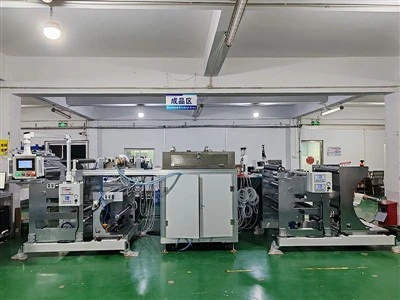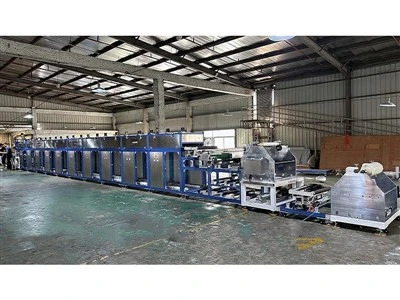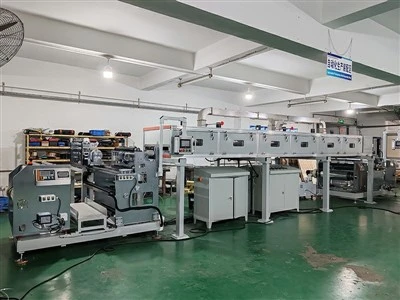

As a supplier of Micro Gravure Coating Machines, I understand the importance of addressing the issue of waste coating materials. In the coating industry, managing waste is not only an environmental concern but also a factor that can significantly impact production costs and efficiency. In this blog post, I will delve into how a Micro Gravure Coating Machine deals with waste coating materials.
Understanding the Micro Gravure Coating Process
Before discussing waste management, it's essential to understand the micro gravure coating process. A Micro Gravure Coating Machine uses a gravure roll, which is a cylinder with tiny cells engraved on its surface. The coating material is applied to the gravure roll, and the excess is removed by a doctor blade. The cells on the roll then transfer a precise amount of coating to the substrate as it passes through the machine.
This process is highly precise, allowing for uniform coating thickness and excellent control over the amount of coating applied. However, like any coating process, it generates waste coating materials, which need to be managed effectively.
Sources of Waste Coating Materials
There are several sources of waste coating materials in a micro gravure coating process. Firstly, the excess coating material that is removed by the doctor blade is considered waste. This excess is scraped off the gravure roll to ensure a consistent and accurate coating transfer. Secondly, during the start - up and shut - down of the machine, there may be some coating material that is not properly applied to the substrate and ends up as waste. Additionally, any coating material that is left in the coating pan or the supply lines after the production run is also waste.
Recycling and Reusing Waste Coating Materials
One of the most effective ways to deal with waste coating materials is through recycling and reusing. Our Micro Gravure Coating Machines are designed to facilitate this process. The excess coating material removed by the doctor blade can be collected in a dedicated container. This collected material can then be filtered to remove any contaminants such as dust, debris, or small particles that may have entered the coating during the process.
After filtering, the coating material can be tested to ensure its quality. If it meets the required specifications, it can be reused in the coating process. This not only reduces waste but also lowers the cost of raw materials. Recycling and reusing coating materials also contribute to a more sustainable production process, which is becoming increasingly important in today's market.
Treatment of Waste Coating Materials
In some cases, the waste coating material may not be suitable for recycling or reuse. This could be due to contamination, changes in the coating's chemical properties, or other factors. For such waste, proper treatment is necessary.
One common method of treatment is incineration. Incineration can be an effective way to dispose of waste coating materials, as it reduces the volume of waste and can generate energy in some cases. However, it is important to ensure that the incineration process is carried out in an environmentally friendly manner, with proper emission control systems in place to minimize the release of harmful pollutants.
Another treatment option is chemical treatment. Chemical treatment involves using chemicals to break down the coating material into its components. This can be useful for separating different substances in the coating and can also make the waste more suitable for further disposal or recycling.
Minimizing Waste Generation
Prevention is always better than cure, and the same applies to waste coating materials. Our Micro Gravure Coating Machines are equipped with features that help minimize waste generation. For example, the precise control of the coating process ensures that only the required amount of coating is applied to the substrate, reducing the amount of excess coating.
The machine's advanced automation system also helps in reducing waste during start - up and shut - down. It can optimize the coating application process from the very beginning, minimizing the amount of coating material that is wasted during these critical phases.
Integration with Other Coating Machines
Our Micro Gravure Coating Machine can be integrated with other coating machines, such as the UV Coating Machine, Adhesive Coater, Dual Station Coating Machine, Pressure Sensitive Adhesive Coater, and Waterproof Material Coating Machine. This integration allows for a more comprehensive coating solution and can also help in better waste management.
For instance, if a particular coating process generates waste that can be used in another coating process, the integrated system can transfer the waste material to the appropriate machine for reuse. This not only reduces waste but also improves the overall efficiency of the production line.
The Role of Maintenance in Waste Management
Proper maintenance of the Micro Gravure Coating Machine is crucial for effective waste management. Regular cleaning of the gravure roll, doctor blade, and coating pan helps prevent the build - up of coating material, which can lead to uneven coating and increased waste.


The machine's components should be inspected and replaced as needed to ensure optimal performance. A well - maintained machine operates more efficiently, reducing the amount of waste generated during the coating process.
Conclusion
In conclusion, a Micro Gravure Coating Machine can deal with waste coating materials through a combination of recycling, treatment, waste minimization, and integration with other coating machines. By implementing these strategies, manufacturers can reduce their environmental impact, lower production costs, and improve the overall efficiency of their coating processes.
If you are interested in learning more about our Micro Gravure Coating Machines and how they can help you manage waste coating materials effectively, we encourage you to contact us for a detailed discussion. Our team of experts is ready to assist you in finding the best coating solutions for your specific needs.
References
- "Coating Technology Handbook", Third Edition, edited by Edward Cohen and Edgar Gutoff.
- "Principles of Web Coating and Drying", by David S. Thompson.