
Is it easy to clean a Multi Functional Coating Machine?
As a supplier of Multi Functional Coating Machines, I often encounter questions from customers about the ease of cleaning these sophisticated pieces of equipment. Cleaning a Multi Functional Coating Machine is a crucial aspect that directly impacts its performance, longevity, and the quality of the coating process. In this blog, I will delve into the factors that determine the ease of cleaning a Multi Functional Coating Machine and provide some insights and tips.
Understanding the Complexity of Multi - Functional Coating Machines
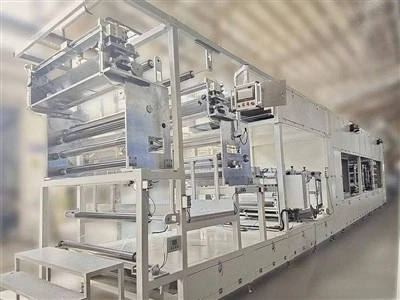
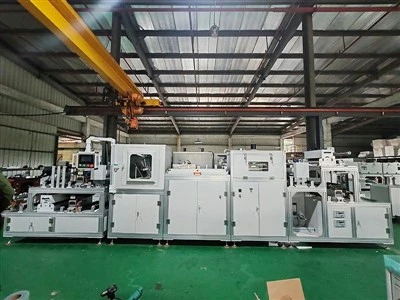
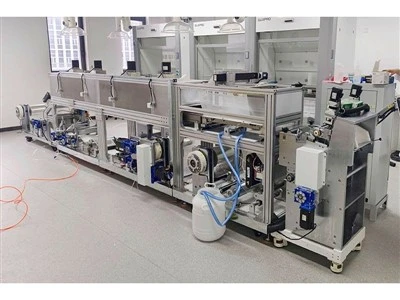
Multi Functional Coating Machines are designed to handle a wide range of coating applications, from thin - film coatings in electronics to thick - layer coatings in industrial products. They typically consist of multiple components such as coating heads, rollers, pumps, tanks, and conveyor systems. Each component may come into contact with different types of coating materials, including polymers, adhesives, paints, and inks.


The Multi Functional Coating Machine is engineered to offer flexibility and precision. However, this complexity also means that cleaning can be a challenging task. Different coating materials have different properties, such as viscosity, drying time, and chemical reactivity. For example, high - viscosity coatings may adhere strongly to the machine surfaces, while some reactive coatings may form hard - to - remove residues if not cleaned promptly.
Factors Affecting the Ease of Cleaning
1. Design of the Machine
The design of the Multi Functional Coating Machine plays a significant role in determining how easy it is to clean. Machines with a modular design are generally easier to clean. Modular components can be easily disassembled, allowing for thorough cleaning of individual parts. For instance, if the coating head is a modular unit, it can be removed from the machine and cleaned separately, reducing the risk of cross - contamination between different coating processes.
Some machines are also designed with smooth surfaces and minimal crevices. Smooth surfaces prevent coating materials from accumulating in hard - to - reach areas, making cleaning more straightforward. Additionally, machines with accessible access ports and drainage systems can facilitate the removal of cleaning agents and residues.
2. Type of Coating Material
The type of coating material used in the machine is another crucial factor. Water - based coatings are generally easier to clean compared to solvent - based or reactive coatings. Water - based coatings can usually be removed with water and mild detergents, reducing the need for harsh chemicals. Solvent - based coatings, on the other hand, often require specialized solvents for cleaning, which can be more expensive and may pose health and safety risks.
Reactive coatings, such as epoxy or polyurethane, can form strong chemical bonds during the curing process. Once cured, these coatings can be extremely difficult to remove. Therefore, it is essential to clean the machine before the coating material fully cures.
3. Frequency of Cleaning
Regular cleaning is key to maintaining a Multi Functional Coating Machine. If the machine is cleaned frequently, the amount of accumulated coating material will be minimized, making the cleaning process quicker and easier. For example, if a machine is used continuously for coating operations, performing a quick wipe - down at the end of each shift can prevent the build - up of thick layers of coating on the surfaces.
On the contrary, if the cleaning is neglected for an extended period, the coating materials may dry, harden, or react with other substances in the machine, making them much more difficult to remove.
Cleaning Procedures
1. Pre - cleaning Inspection
Before starting the cleaning process, it is necessary to conduct a pre - cleaning inspection of the machine. This involves checking for any visible signs of coating build - up, damaged parts, or clogged nozzles. Identifying these issues early can help in determining the appropriate cleaning methods and ensure that all necessary parts are cleaned thoroughly.
2. Disassembly (if applicable)
If the machine has a modular design, disassemble the removable components carefully. Refer to the machine's user manual for instructions on proper disassembly. This step allows for more effective cleaning of hard - to - reach areas and individual components.
3. Cleaning Agents Selection
Based on the type of coating material used, select the appropriate cleaning agent. For water - based coatings, use water and a mild detergent. For solvent - based coatings, choose a compatible solvent recommended by the machine manufacturer. Reactive coatings may require special cleaning agents designed to break down the chemical bonds.
4. Cleaning Process
Apply the cleaning agent to the machine surfaces using suitable tools such as brushes, sponges, or sprayers. Scrub gently to remove the coating material. Pay special attention to areas where coating materials are likely to accumulate, such as coating heads, rollers, and pipes.
After scrubbing, rinse the machine thoroughly with water or the appropriate solvent to remove all traces of the cleaning agent and coating residue. For machines with complex internal systems, use a flushing process to ensure that all pipes and tanks are cleaned from the inside.
5. Drying and Reassembly
Once the cleaning is complete, dry the machine components thoroughly to prevent corrosion and rust. Use compressed air or a clean cloth to remove excess moisture. After drying, reassemble the machine according to the user manual.
Other Related Coating Machines and Their Cleaning Considerations
In addition to the Multi Functional Coating Machine, we also offer a range of other coating machines, each with its own cleaning requirements.
The Fuel Cell Flatbed Coater is used for coating fuel cell components. The coatings used in fuel cell applications are often very precise and sensitive. Cleaning this machine requires special care to avoid damaging the delicate components. Non - abrasive cleaning agents and gentle cleaning methods should be used to ensure the integrity of the machine.
The Double - Sided Comma Blade Coater is designed for applying coatings on both sides of a substrate. The comma blade is a critical component that needs to be cleaned carefully to maintain its sharpness and accuracy. Special attention should be paid to cleaning the blade edges to prevent any coating build - up that could affect the coating quality.
The Integrated Circuit (IC) Flatbed Coater is used in the electronics industry for coating integrated circuits. The coatings used in this application are usually very thin and require high precision. The machine should be cleaned in a cleanroom environment to prevent contamination. Clean air and specialized cleaning agents are used to ensure the cleanliness of the machine.
The Extended Roll - to - Roll Laboratory Coating Machine is used for continuous coating of roll - type substrates. The rollers and the coating system in this machine need to be cleaned regularly to prevent uneven coating and substrate damage. The cleaning process may involve adjusting the tension and alignment of the rollers to ensure proper cleaning.
Conclusion and Call to Action
In conclusion, while cleaning a Multi Functional Coating Machine can be a challenging task, it is not an impossible one. By considering the machine's design, the type of coating material used, and maintaining a regular cleaning schedule, the cleaning process can be made more manageable. Our company is dedicated to providing high - quality coating machines and comprehensive support to our customers. We understand the importance of easy - to - clean machines and strive to design and manufacture equipment that simplifies the cleaning process.
If you are in the market for a coating machine, whether it is a Multi Functional Coating Machine or other related models such as the Fuel Cell Flatbed Coater, Double - Sided Comma Blade Coater, Integrated Circuit (IC) Flatbed Coater, or Extended Roll - to - Roll Laboratory Coating Machine, we invite you to contact us for further information and procurement discussions. We look forward to assisting you in finding the best coating solution for your specific needs.
References
- Coating Equipment Handbook, Various industry publications.
- Manufacturer's manuals for different coating machines.