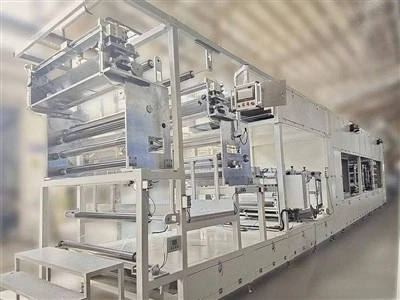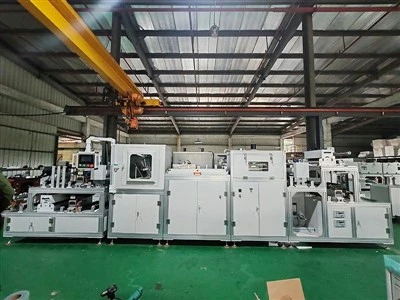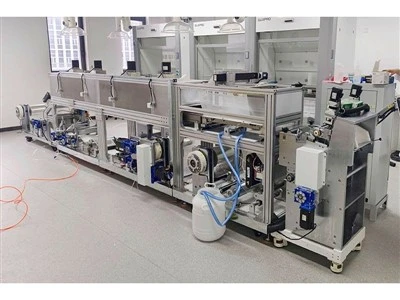

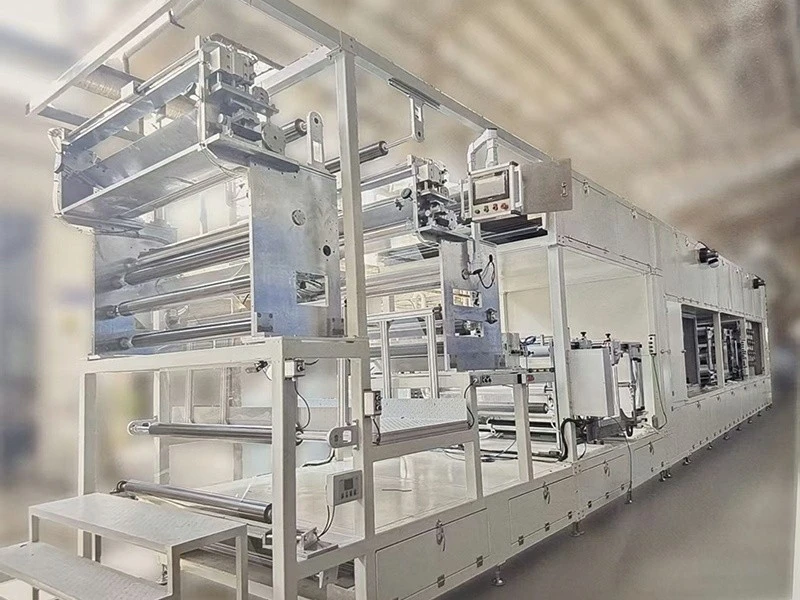
As a supplier of coating machines, I understand the paramount importance of chemical resistance in coatings. A coating with strong chemical resistance can protect the substrate from damage caused by various chemicals, ensuring the longevity and performance of the coated product. In this blog post, I'll share some effective strategies to improve the coating chemical resistance of a coating machine, which can be applied to different types of coating machines, such as Film Coating Machine, Battery Coating Machine, Perovskite Coating Machine, Waterproofing Material Coating Machine, and Micro Gravure Coating Machine.
Select the Right Coating Materials
The first step in improving the chemical resistance of a coating is to choose the appropriate coating materials. Different types of coatings have varying levels of resistance to different chemicals. For example, epoxy coatings are known for their excellent resistance to acids, alkalis, and solvents, making them suitable for applications where the coating will be exposed to harsh chemical environments. Polyurethane coatings, on the other hand, offer good resistance to abrasion and weathering, as well as some chemicals.
When selecting a coating material, it's important to consider the specific chemicals the coating will be exposed to, as well as the operating conditions of the coated product. For instance, if the coating will be used in a high - temperature environment with chemical exposure, a high - temperature resistant coating material such as silicone - based coatings may be a better choice.
Optimize the Coating Process
The coating process itself plays a crucial role in determining the chemical resistance of the coating. Here are some key factors to consider:
- Surface Preparation: Proper surface preparation is essential for achieving good adhesion between the coating and the substrate. Any contaminants, such as oil, grease, rust, or dust, on the substrate surface can reduce the adhesion and chemical resistance of the coating. Therefore, the substrate should be thoroughly cleaned and, if necessary, treated with a primer before coating. For example, sandblasting or chemical cleaning can be used to roughen the surface and remove impurities, providing a better surface for the coating to adhere to.
- Coating Thickness: The thickness of the coating can significantly affect its chemical resistance. A thicker coating generally provides better protection against chemical penetration. However, there is an optimal thickness range for each coating material. If the coating is too thick, it may be more prone to cracking and delamination, while a coating that is too thin may not provide sufficient protection. The coating machine should be calibrated to apply the coating at the recommended thickness.
- Curing Conditions: The curing process is critical for the formation of a strong and chemically resistant coating. The curing temperature, time, and humidity can all impact the coating's final properties. For some coatings, a high - temperature curing process can enhance cross - linking, resulting in improved chemical resistance. However, it's important to ensure that the substrate can withstand the curing conditions without deformation or damage.
Incorporate Additives
Additives can be used to enhance the chemical resistance of coatings. Here are some common types of additives:

- Corrosion Inhibitors: These additives can prevent or reduce the corrosion of the substrate by inhibiting the chemical reactions between the metal surface and corrosive agents. For example, chromates and phosphates are traditional corrosion inhibitors that form a protective layer on the metal surface. However, due to environmental concerns, more environmentally friendly alternatives are being developed.
- UV Stabilizers: If the coating will be exposed to sunlight, UV stabilizers can be added to prevent the degradation of the coating caused by ultraviolet radiation. UV stabilizers can absorb or dissipate UV energy, protecting the coating from discoloration, cracking, and loss of chemical resistance.
- Cross - Linking Agents: Cross - linking agents can increase the degree of cross - linking in the coating, resulting in a more rigid and chemically resistant network structure. This can improve the coating's resistance to solvents, acids, and alkalis.
Quality Control and Testing
To ensure that the coating has the desired chemical resistance, it's essential to conduct quality control and testing throughout the coating process.
- In - process Inspection: Regular inspections during the coating process can help detect any issues early on, such as uneven coating thickness, poor adhesion, or the presence of defects. This allows for timely adjustments to be made to the coating machine or process parameters.
- Post - coating Testing: After the coating is applied and cured, various tests can be performed to evaluate its chemical resistance. These tests may include immersion tests in different chemicals for a specified period of time, followed by visual inspection and measurement of changes in coating properties, such as adhesion strength, hardness, and appearance. Salt spray tests can also be used to simulate the effects of a corrosive environment on the coating.
Continuous Improvement and Innovation
The field of coating technology is constantly evolving, and new materials and techniques are being developed all the time. As a coating machine supplier, we should stay updated with the latest research and development in the industry. By collaborating with coating material manufacturers and research institutions, we can incorporate new technologies into our coating machines to further improve the chemical resistance of the coatings they produce.
In conclusion, improving the coating chemical resistance of a coating machine requires a comprehensive approach that includes selecting the right coating materials, optimizing the coating process, incorporating additives, conducting quality control and testing, and continuous improvement. By implementing these strategies, we can provide our customers with coating solutions that offer superior chemical resistance and long - term performance.
If you are interested in our coating machines and want to discuss how to improve the chemical resistance of your coatings, please feel free to contact us. Our team of experts is ready to provide you with professional advice and customized solutions.
References
- Paint and Coating Testing Manual: Fourteenth Edition of the Gardner - Sward Handbook, edited by Thomas M. Hess, ASTM International, 2008.
- Coatings Technology Handbook, Third Edition, edited by Edward D. Pellico, McGraw - Hill Education, 2015.
- Corrosion and Corrosion Control: An Introduction to Corrosion Science and Engineering, Fourth Edition, by Mars G. Fontana, John Wiley & Sons, 2006.