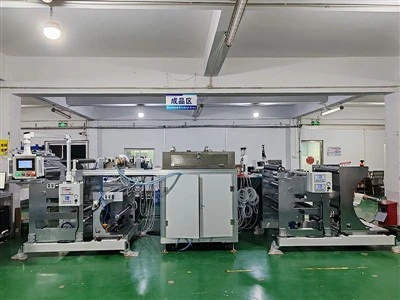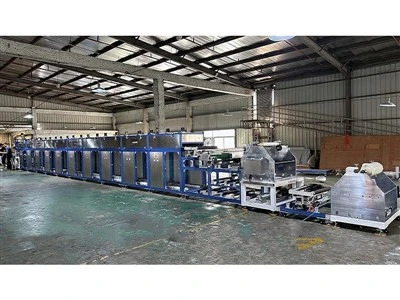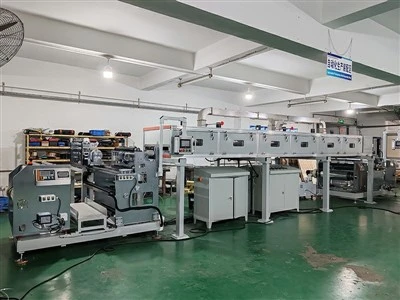

If you’re running a manufacturing operation—whether that’s packaging, medical devices, flexible electronics, or consumer goods—finding a high-quality coating machine isn’t just about buying equipment. It’s about investing in gear that delivers consistent, defect-free results, fits your production line’s specific needs, and stands the test of time without constant breakdowns. As a coating machine supplier with years of working directly with production teams, I’ve heard every frustration: machines that waste 10% of your material per run, require hours of calibration for small product changes, or break down mid-batch and derail deadlines. Today, I’m breaking down exactly where to source a machine that solves these pain points, plus how to make sure your purchase is a smart, long-term investment.
First, let’s cut through the noise: not all coating machines are created equal, and where you buy them matters as much as the model itself. A lot of manufacturers default to cheap, unvetted options from overseas marketplaces, but those often lack precision engineering, quality control, and local support. That’s not to say all imports are bad, but without a supplier that understands your regional regulations and can provide on-the-ground service, a “good deal” can turn into a costly disaster fast.
The best place to start is with specialized suppliers that focus exclusively on coating technology, not just generic industrial equipment. These teams live and breathe coating applications, so they can match a machine to your exact use case, not just push a one-size-fits-all model. For example, if your product involves applying adhesives to packaging labels or medical tapes, a general-purpose coater might not have the precision control needed to avoid over-squeezing adhesive that leads to uneven bonding. That’s why specialized suppliers will highlight tailored solutions like the Adhesive Coater, designed with precise layer thickness control and customizable applicator heads for consistent adhesive deposition. This specificity is what makes a machine worth the investment, not just a line item on your purchase order.
Another key factor when choosing a supplier is transparency around quality standards. Top coating machine suppliers will have documented quality control processes, test their equipment under real production conditions before it leaves their facility, and provide clear specifications that don’t rely on vague claims like “good for most applications.” For instance, if you need to apply UV-cured coatings for scratch-resistant electronics or water-resistant packaging, look for a supplier that offers models validated for UV curing uniformity. The UV Coating Machine 1 is built with adjustable UV intensity zones to ensure every part of your product gets cured evenly, eliminating costly rework from under-cured or over-cured areas. This level of detail comes from suppliers that prioritize engineering over sales tactics, and it’s non-negotiable for high-quality coating operations.
Don’t sleep on the importance of after-sales support when choosing where to buy your coating machine. I’ve seen too many teams buy a machine online that ships across the world, only to realize the supplier doesn’t have a local technician who can fix a sensor issue or walk their team through calibration. When you purchase from a reputable supplier, you should get access to 24/7 remote support, on-site maintenance options if needed, and training for your operators to run the machine safely and efficiently. For small to medium-sized production runs, modular, easy-to-learn machines like the Single-Station Coater are ideal—they don’t require a dedicated engineer to operate, so your team can get up and running without weeks of training, and if a part needs replacing, local technicians can source the components quickly.
Let’s talk about niche applications, because not every coating job is the same. If you’re working with hydrogel products—think wound care dressings, skincare patches, or flexible battery components—you need a machine that can handle delicate, water-based materials without damaging their molecular structure. Generic coating machines often apply too much pressure or use improper drying temperatures, leading to hydrogel that’s too thin, tears easily, or loses its gel properties. Specialized suppliers have developed solutions like the Hydrogel Coating Machine, which uses contactless applicators and temperature-controlled drying zones to preserve hydrogel integrity while delivering uniform, consistent layers. This kind of specialized knowledge comes from suppliers that work directly with industries that rely on precise coating, not just selling to whoever will buy.
Now, where exactly do you go to find these specialized suppliers? Start with industry trade shows. Events like the International Coatings Expo or the National Packaging Show bring together leading coating machine manufacturers, where you can see machines in action, test materials on the equipment, and talk directly to engineers instead of sales reps. This is the best way to get a hands-on feel for a machine’s precision, speed, and ease of use—something you can’t get from a product spec sheet alone.
Online research is another critical step, but you have to vet suppliers carefully. Look for reviews from actual production managers, not just industry forums—ask questions like: How often does the machine require maintenance? Did the supplier deliver on their timeline? Is spare parts availability reliable? Avoid suppliers with dozens of generic machines listed on their website; instead, prioritize those that have a clear lineup of specialized models tailored to different applications, like the options I mentioned earlier. A well-organized website with detailed technical guides, application case studies, and contact information for their engineering team is a good sign that this is a supplier you can trust.
If you’re still narrowing down, consider working with a supplier that offers customizations. Many manufacturers have unique needs—maybe you need a machine that fits a specific footprint in your existing production line, or you need to integrate it with your existing quality control software. Top suppliers will work with you to adjust their standard models, so you don’t have to compromise on performance to fit your space or systems. For example, some customers need a compact machine for R&D runs that still delivers the same precision as full-scale production models, so a supplier might tweak the Comma Coating Machine to reduce its footprint by 20% without sacrificing layer consistency. That kind of flexibility is a hallmark of a supplier that cares about your success, not just their own sales.
A common mistake I see new manufacturing teams make is focusing only on upfront cost, not total cost of ownership (TCO). A cheaper machine might seem like a great deal at first, but if it uses more material, requires frequent repairs, or has lower output speeds, you’ll end up spending more in the long run. High-quality coating machines might cost 10-15% more upfront, but they reduce material waste by 5-8%, have 30% less downtime, and last twice as long as lower-quality options. When evaluating suppliers, ask for a TCO breakdown, not just the purchase price. A reputable supplier will provide this, because they’re confident in their machine’s long-term value.
Let’s also touch on compliance, which is non-negotiable for many industries. If you’re working in medical devices, food packaging, or electronics, your coating process has to meet strict regulatory standards—like ISO 9001, FDA guidelines for food contact materials, or IP class ratings for electronics components. A trusted coating machine supplier will have their equipment certified to these standards, so you don’t have to spend extra time and money modifying the machine to pass inspections. For example, the Adhesive Coater for medical tapes is designed to meet FDA 21 CFR guidelines for adhesive application, so you can use it in regulated production without extra hurdles. That’s a huge benefit that unvetted suppliers can’t offer.
So, putting it all together: the best place to buy a high-quality coating machine is a specialized, reputable supplier that focuses on your specific industry, offers transparent quality control and support, provides tailored solutions, and has a track record of long-term customer success. Avoid generic marketplaces, prioritize hands-on testing and detailed TCO analysis, and don’t be afraid to ask about customizations or regulatory compliance.
If you’re ready to start exploring your options, the first step is to connect with a supplier that understands your needs. Whether you’re scaling up production of hydrogel wound care products, adding UV coatings to consumer electronics, or perfecting adhesive layers for packaging, there’s a coating machine that’s right for you—and a supplier that can help you find it.

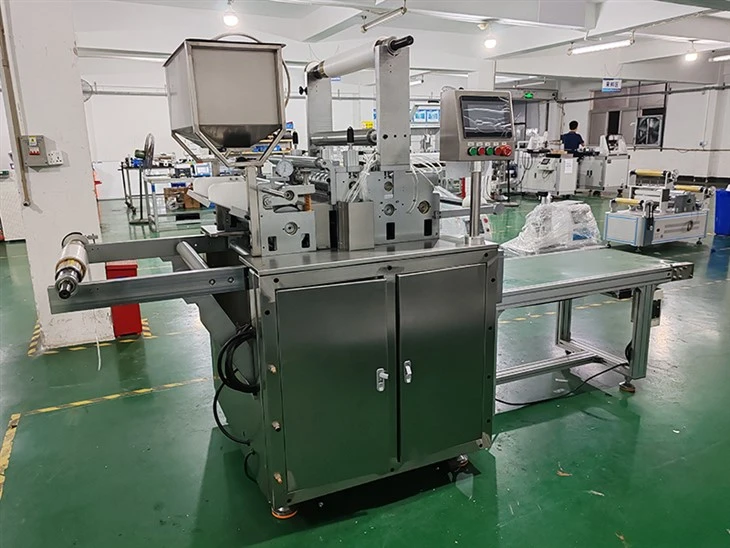
To discuss your requirements and see how our range of coating solutions, including the Comma Coating Machine, Adhesive Coater, UV Coating Machine 1, Hydrogel Coating Machine, and Single-Station Coater, can fit your production goals, reach out to our team to schedule a consultation. We’ll walk you through application-specific specs, maintenance protocols, and how our equipment can reduce your material waste and downtime.
References
- International Coatings Association. (2023). Global Coating Equipment Standards and Best Practices. Retrieved from industrytradehub.com
- U.S. Food and Drug Administration. (2022). Guidance for Adhesive Materials Used in Medical Device Manufacturing. Retrieved from fda.gov
- Flexible Packaging Association. (2024). Total Cost of Ownership Analysis for Coating Equipment. Retrieved from flexpack.org