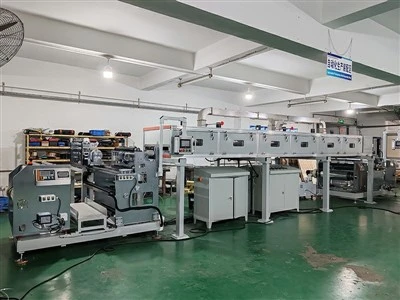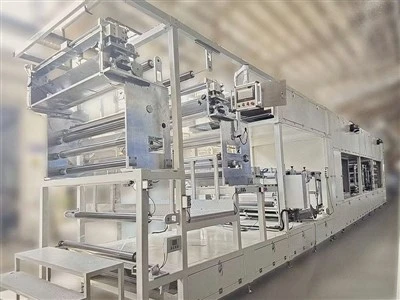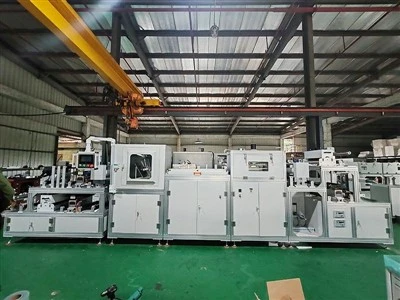

If you’re a factory manager, production engineer, or quality control lead who’s invested in a film coating machine—whether it’s for battery components, medical materials, or specialty industrial coatings—you know the machine only delivers value when it runs smoothly, consistently, and without unexpected downtime. I’ve spent over a decade as a film coating machine supplier, working with hundreds of clients across industries, and I can tell you: even the most well-built piece of equipment will underperform if you don’t get good after-sales service. Too many buyers fixate on the upfront cost of the machine, only to realize too late that cheap service support leads to hours of lost production, wasted materials, and even safety risks.
This post is the guidance I wish I could give every new client before they sign their purchase agreement. I’ll break down exactly how to secure the after-sales support your coating line needs, from vetting a supplier before you buy, to setting clear expectations, and what to do when a problem strikes. No fluff—just practical, actionable steps that come from real stories of clients who got great (and not-so-great) service.
Start Vetting After-Sales Support Before You Even Sign the Purchase Order
Great after-sales service doesn’t happen by accident—it’s part of a supplier’s core offering, not an afterthought. The worst mistake you can make is shopping for a coating machine based solely on price or a single impressive demo, then brushing off service as a “we’ll handle it later” detail. When I meet new clients, I always emphasize that asking hard questions about service during the sales process is non-negotiable.
First, ask about response times, and get them in writing. I’ve had a client in the medical device industry wait 12 full hours for a technician to troubleshoot a comma coating machine failure during a critical batch of medical polymer composites, costing them $18,000 in wasted material and missed delivery deadlines. That client didn’t get a written response-time guarantee; the supplier told them “we’ll get there when we can.” Today, every one of my clients gets a service level agreement (SLA) that specifies on-site arrival times for critical problems—8 hours for local clients, 24 for cross-country, 48 for international. If a supplier won’t commit to that, walk away.


Second, ask if they offer on-site and remote support, and which industries their service team specializes in. Not all coating machines are the same, and a technician who only works on standard industrial coaters won’t know how to fix a battery coating machine’s precision calibration, or the strict temperature controls needed for culture medium coater equipment that’s used in biotech labs. Last year, a pharmaceutical client called us in a panic when their old supplier’s tech showed up with the wrong tools and didn’t understand the FDA-compliant material requirements for their coatings. They switched to us the next week, and our team was able to fix their machine in 3 hours because our service technicians are trained specifically for the niche applications we build.
Third, check if the supplier has a dedicated spare parts inventory, and how quickly they can ship parts to you. A broken sensor or worn roller can shut down your entire line for days if you have to wait for a part to be shipped from overseas. We keep over $2 million in high-demand spare parts in our U.S. and EU warehouses, so most standard parts ship same-day. For specialized parts like those for a medium lithium battery coating machine, we pre-build and stock them for clients so we can ship within 24 hours, not weeks. If a supplier sources all their parts from third-party manufacturers and doesn’t hold inventory, you’ll be waiting longer than your production downtime budget allows.
Clarify Your Service Needs Before the Machine Arrives
Once you’ve chosen a supplier, don’t assume they know what your facility needs. Every production line has unique demands, and customizing your after-sales support to your operation will make a huge difference. For example, a small fabrication shop running one shift a day needs different service than a large battery plant running three shifts, 24/7.
One of my long-term clients is a startup that makes wearable medical devices. They ordered a machine to coat flexible polymers for their products, and they told us they only run the line 10 hours a day, 5 days a week. We assigned them a dedicated service account manager who checks in monthly, and we provide semi-annual preventive maintenance that’s tailored to their low-volume schedule. For a client like that, we don’t need to visit as often as a 24/7 battery plant, which we support with weekly remote check-ins and emergency on-call coverage.
Another key detail: ask about training for your in-house team. Too many clients think after-sales service is only for fixing problems, but most small issues (like adjusting coating thickness, cleaning rollers, or calibrating tension) can be handled by your own staff if trained properly. We offer on-site operator training for every machine we sell, and we provide a video library and digital manual so your team can troubleshoot minor issues before they become big ones. For clients who are using specialized equipment like a culture medium coater for biotech applications, we even offer specialized certification training to ensure your team meets industry regulatory standards, so you avoid downtime from compliance-related adjustments.
Handle Problems Fast: How to Work With Your Supplier When Something Breaks
Even with great preventive maintenance, issues will pop up. The key to good after-sales service is how you and your supplier handle those problems. I’ve seen clients make two common mistakes here: waiting too long to report an issue (hoping it will fix itself, leading to more damage) or panicking and blaming the supplier before gathering accurate information.
When a problem happens, first document everything before you call your service team. For a film coating machine, that means noting the error code on the control panel, what material you were coating when the issue happened, the speed of the line, and any recent changes you made (like adjusting settings, or cleaning a part). If you can take a photo or short video of the issue, that will help the technician diagnose it remotely in minutes, instead of waiting for an on-site visit. For example, a client had a problem with uneven coating on their battery electrodes last quarter—they sent a photo of the uneven strip and a short video of the line running, and our remote technician was able to adjust the calibration settings over the phone in 10 minutes, avoiding a full day of downtime.
Second, use the service channels your supplier provides, and don’t hesitate to escalate if the problem isn’t resolved. Most reputable suppliers offer a 24/7 service hotline, not just a 9-to-5 email. I tell all our clients to save the emergency line in their phones—we answer every call, no matter the time. If your supplier’s only service contact is an email that takes 48 hours to reply to, that’s a red flag. If your issue is urgent and the first contact can’t resolve it, ask to speak to a senior technician or your dedicated account manager immediately. Don’t wait for business hours if your line is down and you’re at risk of missing a customer deadline.
Beyond Repairs: Leverage Proactive Service to Avoid Downtime
The best after-sales service isn’t just fixing what’s broken—it’s preventing problems before they start. Many suppliers offer preventive maintenance packages, and these are almost always worth the investment. For a film coating machine, preventive maintenance might include lubricating moving parts, replacing worn filters, calibrating sensors, and inspecting electrical connections. We offer annual maintenance plans tailored to each machine’s usage, and clients who sign up for these plans see 30% less downtime than those who only call for emergency repairs, according to our internal data.
We also send quarterly check-in emails to all our clients, with tips specific to their machine and industry. For example, clients running a medical polymer composites coating machine get tips on cleaning procedures that reduce material contamination, which is critical for FDA compliance. Clients with a medium lithium battery coating machine get alerts about seasonal maintenance tips, like checking ambient temperature controls in the summer to prevent overheating of battery materials.
Another value add is software updates. Most modern film coating machines have digital controls, and suppliers regularly release updates that improve efficiency, add new features, or fix software glitches that you might not even notice until they cause a problem. We provide these updates for free to all our clients, and we often do them remotely during off-shift hours so they don’t disrupt production.
Wrapping Up: Making After-Sales Service Work for You
At the end of the day, good after-sales service for a film coating machine boils down to three things: planning ahead, communicating clearly, and choosing a supplier that sees your long-term success as their own. It’s not just about getting a technician to fix your machine when it breaks—it’s about having a partner who helps you maximize the value of your equipment, avoid unnecessary downtime, and meet your production and quality goals.
If you’re looking for a coating machine supplier that prioritizes strong after-sales service, including support for specialized equipment like battery coating machines, medical polymer composites coaters, comma coating machines, medium lithium battery coating machines, or culture medium coaters, our team is here to help. We work closely with clients to tailor service plans to their specific needs, so you can run your line with confidence, knowing you have support when you need it.
References
- International Organization for Standardization (ISO) 9001:2015, Quality Management Systems: Requirements for service and after-sales support for industrial equipment, 2015
- Coating Industry Association (CIA), "Best Practices for Preventive Maintenance of Precision Film Coating Equipment", 2022
- U.S. Food and Drug Administration (FDA), "Guidance for Industry: Manufacturing, Processing, and Packing of Medical Devices", 2021
- Battery University, "Precision Coating Requirements for Lithium-Ion Battery Electrodes", 2023
- Journal of Biochemical and Biophysical Methods, "Quality Control for Culture Medium Coating in Bioreactor Manufacturing", 2022