
As a supplier of Roll To Roll Coaters, I've witnessed firsthand the importance of coating adhesion in various industrial applications. A strong bond between the coating material and the substrate is crucial for the performance, durability, and overall quality of the end product. In this blog, I'll share some effective strategies to enhance coating adhesion in a Roll To Roll Coater.
1. Surface Preparation
The first step in improving coating adhesion is proper surface preparation. The substrate's surface condition significantly affects how well the coating adheres. Any contaminants, such as dust, oil, grease, or oxidation, can act as a barrier between the coating and the substrate, reducing adhesion.
- Cleaning: Use appropriate cleaning methods based on the substrate material. For metal substrates, degreasing agents can effectively remove oil and grease. Solvent cleaning or ultrasonic cleaning can be employed for more thorough cleaning. In the case of plastic substrates, mild detergents or specialized plastic cleaners may be used. Ensure that the cleaning process does not damage the substrate surface.
- Abrasion: Mechanical abrasion can increase the surface roughness, providing more surface area for the coating to adhere to. This can be achieved through sandblasting, sanding, or using abrasive pads. However, it's important to control the abrasion intensity to avoid excessive damage to the substrate. For example, over - sanding a thin film substrate can lead to thickness variations and potential breakage.
- Surface Activation: Some substrates may require surface activation to enhance adhesion. Plasma treatment is a widely used method for activating polymer surfaces. It modifies the surface chemistry by introducing polar functional groups, which can improve the wetting and adhesion properties of the coating. Corona treatment is another option, especially for films and sheets. It creates a high - energy surface that promotes better coating adhesion.
2. Coating Material Selection
Choosing the right coating material is essential for good adhesion. Different substrates have different surface energies and chemical properties, and the coating material should be compatible with the substrate.
- Compatibility: Consider the chemical composition of the substrate and the coating. For example, if the substrate is a polar polymer, a polar coating material will generally have better adhesion. In contrast, non - polar substrates may require non - polar coatings. Conduct compatibility tests before large - scale production to ensure a good match between the coating and the substrate.
- Adhesion Promoters: In some cases, adhesion promoters can be added to the coating formulation. These are chemicals that improve the bonding between the coating and the substrate. Silane coupling agents are commonly used adhesion promoters for metal and glass substrates. They have a dual - functionality, with one end reacting with the substrate surface and the other end interacting with the coating material.
3. Process Optimization in Roll To Roll Coating
The coating process parameters in a Roll To Roll Coater can have a significant impact on coating adhesion.
- Coating Speed: The speed at which the substrate is coated affects the wetting and spreading of the coating material. A too - high coating speed may result in poor wetting, while a too - low speed can lead to excessive drying or thickness variations. Optimize the coating speed based on the viscosity of the coating material, the surface tension, and the substrate properties.
- Coating Thickness: Maintaining a consistent and appropriate coating thickness is crucial for adhesion. A very thin coating may not provide sufficient coverage or adhesion strength, while an overly thick coating may lead to cracking, delamination, or poor drying. Use precise coating control systems in the Roll To Roll Coater to ensure uniform coating thickness across the substrate.
- Drying and Curing Conditions: Proper drying and curing are essential for developing strong coating adhesion. The drying process removes solvents from the coating, while the curing process cross - links the coating material, forming a strong bond with the substrate. Control the temperature, humidity, and airflow during the drying and curing stages. For example, some coatings require a specific temperature profile for optimal curing. If the curing temperature is too low, the coating may not fully cross - link, resulting in poor adhesion. If it's too high, the substrate may be damaged, also affecting adhesion.
4. Equipment Maintenance and Calibration
A well - maintained and properly calibrated Roll To Roll Coater is necessary for achieving good coating adhesion.
- Roller Condition: The rollers in the coating machine play a crucial role in transferring the coating material onto the substrate. Ensure that the rollers are clean, smooth, and free from any damage or wear. Rough or dirty rollers can cause uneven coating application, which can lead to adhesion problems. Regularly inspect and clean the rollers, and replace them if necessary.
- Web Tension Control: Proper web tension is essential for a smooth coating process. Excessive tension can cause stretching or distortion of the substrate, affecting the coating adhesion. Insufficient tension can result in wrinkling or misalignment of the substrate. Use a reliable web tension control system in the Roll To Roll Coater to maintain a consistent and appropriate tension throughout the coating process.
- Coating Die Alignment: The coating die is responsible for applying the coating material evenly onto the substrate. Misaligned coating dies can cause uneven coating thickness, streaking, or poor wetting, all of which can reduce adhesion. Regularly check and calibrate the coating die alignment to ensure accurate and uniform coating application.
Our Roll To Roll Coating Machines
At our company, we offer a range of high - quality Roll To Roll Coating Machines that are designed to meet the diverse needs of our customers.
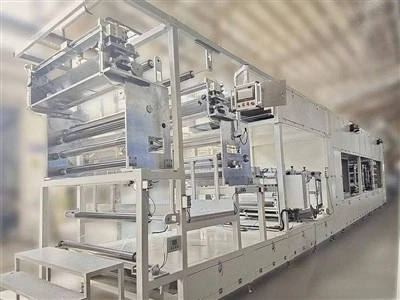
The Extended Roll - to - Roll Laboratory Coating Machine provides an extended coating area and is suitable for large - scale laboratory testing and small - batch production. It is equipped with advanced control systems for precise coating speed, thickness, and temperature control.
The Multi Functional Coating Machine is a versatile option that can handle various coating materials and substrate types. It offers multiple coating methods, such as Mayer rod coating, slot die coating, and gravure coating, allowing for flexible coating processes.

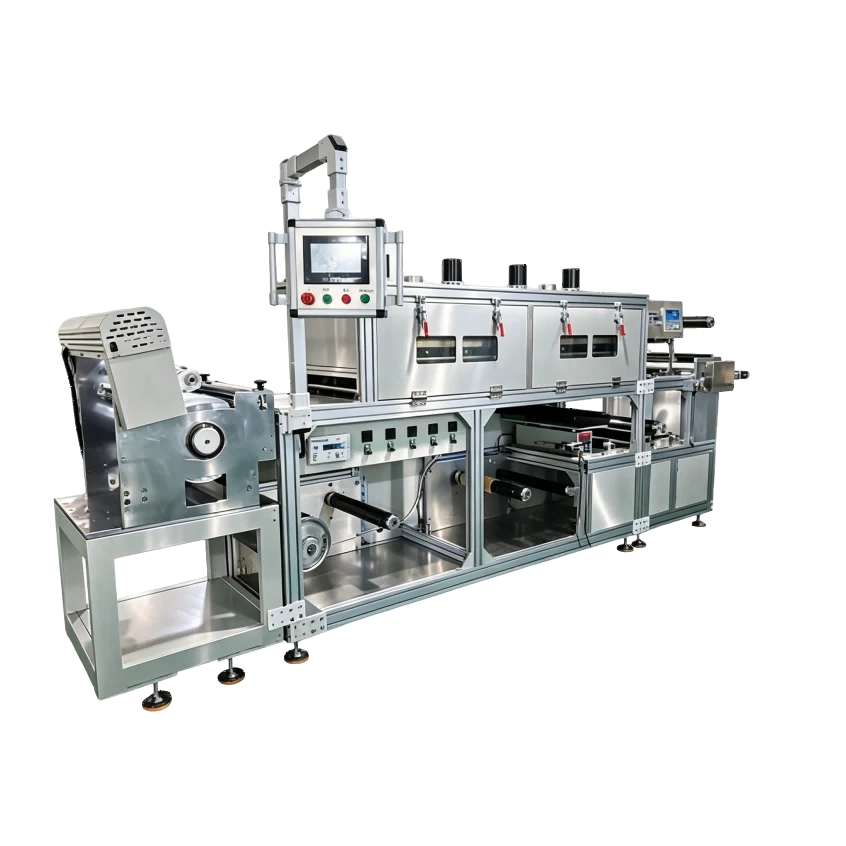
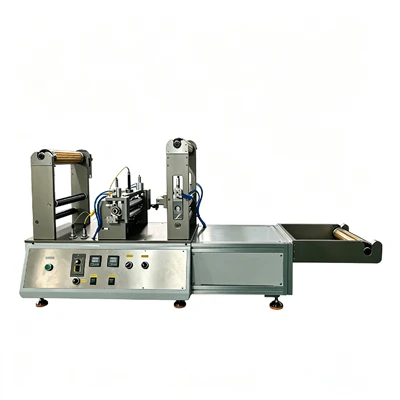
The Laboratory Coating Machine is ideal for research and development purposes. It is compact in size, easy to operate, and provides a cost - effective solution for testing new coating materials and processes.
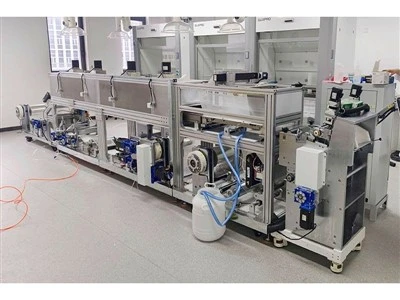
The Roll - to - Roll Laboratory Coating Machine is specifically designed for roll - to - roll coating applications. It offers high - precision coating capabilities and is suitable for a wide range of substrates, including films, papers, and fabrics.
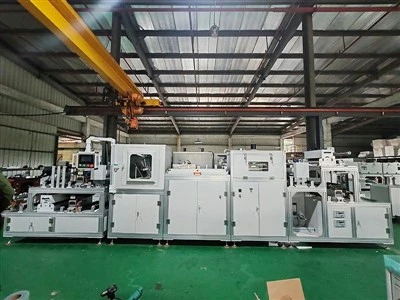
The CNC Medium - Sized Laboratory Coating Machine combines CNC technology for accurate control of the coating process. It is suitable for medium - scale production and offers excellent repeatability and coating quality.
Conclusion
Improving coating adhesion in a Roll To Roll Coater requires a comprehensive approach that includes proper surface preparation, careful coating material selection, process optimization, and regular equipment maintenance. By following these strategies, you can enhance the adhesion of your coatings, resulting in higher - quality products and increased customer satisfaction.
If you are interested in our Roll To Roll Coating Machines or have any questions about improving coating adhesion, please feel free to contact us. We are committed to providing you with the best solutions for your coating needs.
References
- “Adhesion Science and Engineering: Surfaces, Chemistry and Applications” by K.L. Mittal.
- “Coating Technology Handbook” edited by Helmut Kittel.
- Journal articles on roll - to - roll coating processes and coating adhesion improvement.