
Can a Micro Gravure Coating Machine be used for food - grade coatings?
As a supplier of Micro Gravure Coating Machines, I am often asked whether our machines can be used for food - grade coatings. This is a crucial question considering the strict safety and quality requirements in the food industry. In this blog post, I will delve into the technical aspects of micro gravure coating machines and evaluate their suitability for food - grade applications.
Understanding Micro Gravure Coating Machines
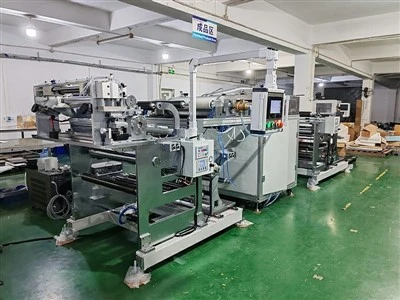
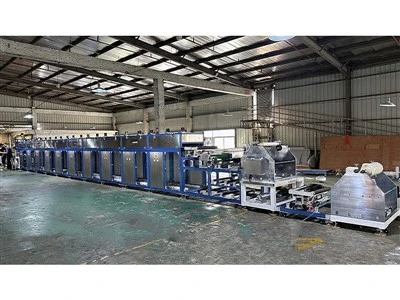
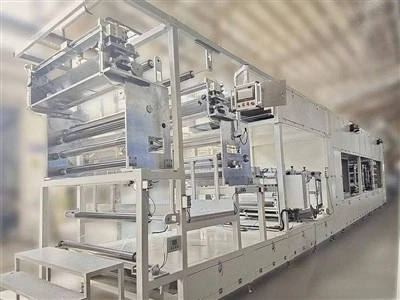
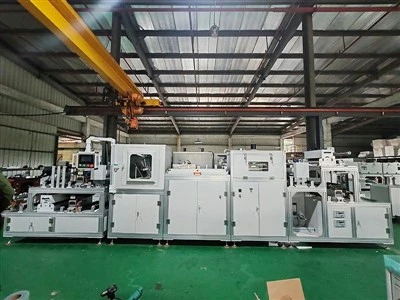
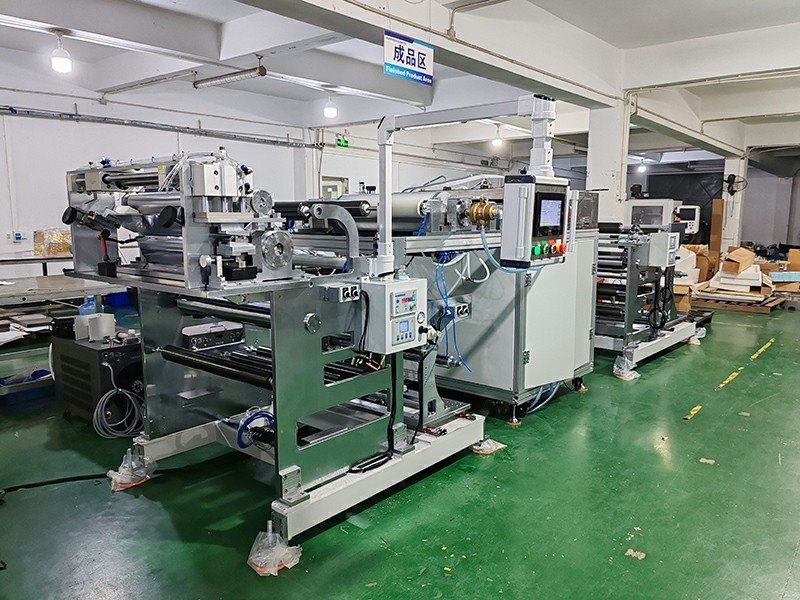
Micro gravure coating machines are a type of precision coating equipment widely used in various industries. The principle behind this machine is based on the transfer of a coating material from an engraved gravure roll to a substrate. The gravure roll has a series of tiny cells engraved on its surface, which hold the coating material. As the substrate passes over the gravure roll, the coating is transferred in a controlled and uniform manner.
These machines offer several advantages, such as high precision in coating thickness control, the ability to handle a wide range of coating viscosities, and efficient coating transfer. They are commonly used in applications like Semiconductor Material Coating Machine, Battery Coating Machine, Adhesive Coater, Waterproofing Material Coating Machine, and Slot Die Coating Machine. However, the question remains whether they can be adapted for food - grade coatings.
Requirements for Food - Grade Coatings
Food - grade coatings must meet strict safety standards. These standards are set to ensure that the coatings do not contaminate the food with harmful substances. The raw materials used in food - grade coatings should be non - toxic, odorless, and comply with relevant food safety regulations, such as the FDA (Food and Drug Administration) regulations in the United States and the EU food contact material regulations in Europe.
In addition to safety, food - grade coatings also need to have appropriate physical and chemical properties. They should provide adequate barrier properties against moisture, oxygen, and other contaminants to preserve the quality and shelf - life of the food. The coatings should also be resistant to abrasion, heat, and chemical degradation during processing, storage, and transportation of the food products.
Feasibility of Using Micro Gravure Coating Machines for Food - Grade Coatings
From a technical perspective, micro gravure coating machines have several features that make them potentially suitable for food - grade coatings. Firstly, the precision coating ability of these machines allows for a very thin and uniform coating layer. In the food industry, a thin and even coating can reduce the amount of coating material used, which is beneficial not only for cost - effectiveness but also for minimizing the potential contact between the coating and the food.
Secondly, micro gravure coating machines can handle a variety of coating materials, including polymers and waxes that are commonly used in food - grade coatings. These materials can provide the necessary barrier properties and protection for food products.
However, there are also some challenges that need to be addressed. One of the main challenges is ensuring the cleanliness and hygiene of the machine. Since food - grade coatings are directly related to food safety, the machine must be thoroughly cleaned to prevent any cross - contamination between different coating materials and ensure that no residues from previous coatings remain on the machine parts.
Another challenge is the compatibility of the machine materials with food - grade coatings. The parts of the machine that come into contact with the coating material, such as the gravure roll and the doctor blade, should be made of materials that are safe for food contact. For example, stainless steel is a common choice as it is resistant to corrosion and can be easily cleaned and sanitized.
Case Studies and Industry Experience
Although there are relatively fewer direct applications of micro gravure coating machines in the food - grade coating field compared to other industries, some successful case studies exist. In some food packaging applications, micro gravure coating machines have been used to apply moisture - resistant coatings on paper - based food packaging materials. The precise coating control of these machines ensures that the packaging provides effective protection for the food products inside.
In addition, some companies have used micro gravure coating machines to apply edible coatings on fruits and vegetables. These coatings can extend the shelf - life of the produce by reducing moisture loss and protecting against microbial growth. However, in these applications, strict quality control and compliance with food safety regulations are crucial.
What Suppliers Should Do
As a supplier of Micro Gravure Coating Machines, we need to take several steps to meet the requirements of food - grade coating applications. Firstly, we need to conduct research and development to improve the design of our machines. This includes improving the cleaning and sanitization systems of the machines to ensure that they can be easily cleaned to meet food safety standards.
Secondly, we should work closely with our customers in the food industry to understand their specific needs and provide customized solutions. This may involve using food - grade compatible materials for the machine parts and providing detailed operating instructions and training to ensure the correct use of the machines.
Cost - Benefit Analysis
When considering using a micro gravure coating machine for food - grade coatings, a cost - benefit analysis is necessary. On the one hand, the initial investment in a micro gravure coating machine can be relatively high. However, the benefits can outweigh the costs in the long run. The precision coating provided by the machine can lead to cost savings in coating material usage, and the improved quality of the food - grade coating can enhance the product quality and market competitiveness.

Conclusion
In conclusion, a micro gravure coating machine has the potential to be used for food - grade coatings. While there are some challenges in terms of hygiene, material compatibility, and compliance with food safety regulations, these challenges can be overcome through proper design, operation, and quality control.
If you are interested in exploring the use of micro gravure coating machines for your food - grade coating applications, please do not hesitate to contact us for further discussions. We are committed to working with you to find the best coating solutions that meet your specific needs and comply with all relevant food safety standards.
References
- Food and Drug Administration. (Year). Regulations on Food Contact Materials.
- European Union. (Year). EU Food Contact Material Regulations.
- Industry Reports on Coating Technologies in the Food Industry.