
Alrighty, folks! As a supplier of Dual Station Coating Machines, I often get asked about the coating heat resistance of the coating applied by these bad boys. So, let's dig into it and break it down in plain English.
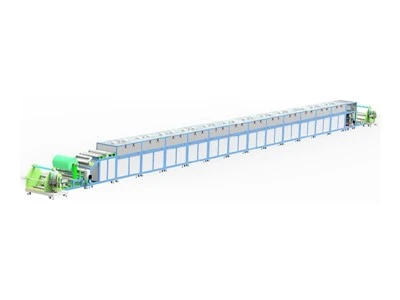
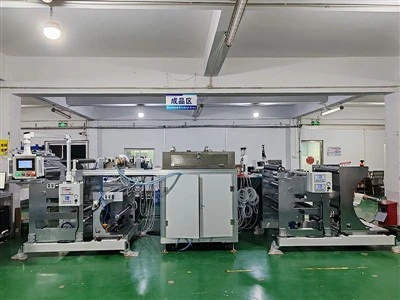
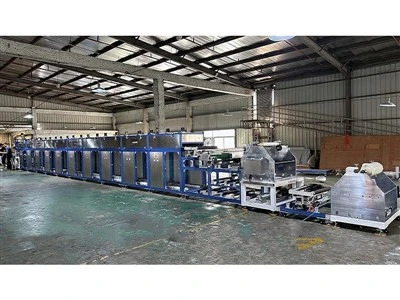
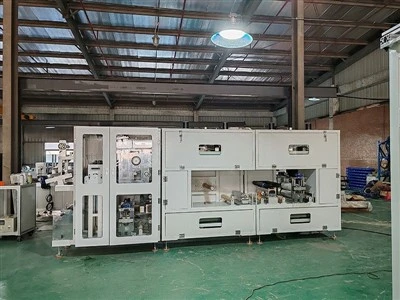
First off, what's a Dual Station Coating Machine? Well, it's a pretty nifty piece of equipment that allows for continuous coating operations. With two stations, you can switch between them seamlessly, which boosts efficiency big time. It's used in a whole bunch of industries, from manufacturing to electronics.
Now, let's talk about coating heat resistance. Heat resistance is a crucial factor when it comes to coatings. You see, in many applications, the coated products are going to be exposed to high temperatures. If the coating can't handle the heat, it might crack, peel, or lose its protective and functional properties. That's a big no - no!
The coating heat resistance of the coating applied by a Dual Station Coating Machine depends on several things. One of the main factors is the type of coating material used. There are different kinds of coating materials out there, each with its own heat - resistant capabilities.
For example, some polymer - based coatings can have decent heat resistance. These polymers can be engineered to withstand a certain range of temperatures. They form a tough, protective layer on the substrate. But the specific heat resistance can vary greatly. Some polymers might start to degrade at around 100°C, while others can hold up well above 200°C.
Another option is ceramic - based coatings. These are known for their excellent heat resistance. Ceramics can handle extremely high temperatures, sometimes even up to several thousand degrees Celsius. Coating a product with a ceramic - based material using a Dual Station Coating Machine can make it suitable for applications in high - heat environments, like in aerospace or industrial furnaces.
The way the coating is applied by the Dual Station Coating Machine also plays a role. A proper coating process is essential for achieving good heat resistance. The machine needs to apply the coating evenly, with the right thickness. If the coating is too thin, it might not provide enough protection against heat. On the other hand, if it's too thick, it could lead to issues like cracking during thermal expansion and contraction.
The Dual Station Coating Machine offers precise control over the coating process. It can adjust the speed, pressure, and other parameters to ensure a uniform and well - adhered coating. For instance, by controlling the speed of the coating head, we can make sure that the coating has the right texture and density, which in turn affects its heat resistance.
Now, let's look at some real - world applications where the heat resistance of the coating applied by a Dual Station Coating Machine matters.
In the automotive industry, parts like engine components need to be coated with heat - resistant materials. The Dual Station Coating Machine can be used to apply coatings on pistons, cylinder heads, and exhaust manifolds. These coatings protect the parts from the high temperatures generated during engine operation. Without proper heat - resistant coatings, these parts could wear out quickly, leading to engine failures.
In the electronics industry, circuit boards can benefit from heat - resistant coatings. As electronic devices get more powerful, they generate more heat. A coating with good heat resistance applied by our Dual Station Coating Machine can prevent the circuit board from overheating, which can cause malfunctions or damage to the components.
If you're in the market for coating machines, you might also be interested in some other types of coating machines we can offer. We have a Sheet Coating Machine that's great for coating flat sheets of materials. It has its own unique features and can be used in industries like paper and film coating.
The Battery Coating Machine is specifically designed for battery manufacturing. It ensures a high - quality coating on battery electrodes, which is crucial for battery performance and safety.
Our Slope Flow Coating Machine is ideal for applications where a precise thin - film coating is required. It uses a slope flow process to apply the coating evenly.

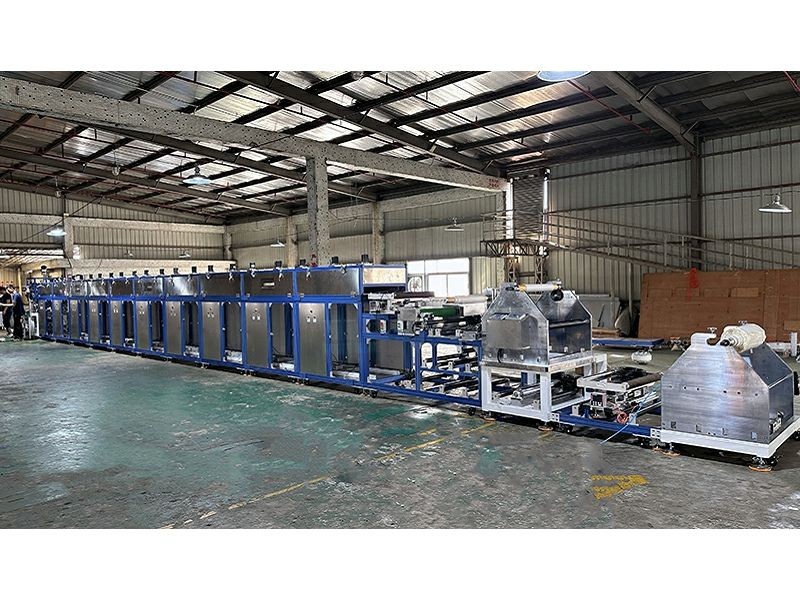
The Medical Dressing Applicator is used in the medical field to apply coatings on dressings. These coatings can have properties like antibacterial or wound - healing functions.
And don't forget about the Comma And Micro Gravure Coater. It's a versatile coater that can be used for a wide range of applications, from thin - film coatings to high - viscosity materials.
If you're thinking about purchasing a Dual Station Coating Machine or any of our other coating machines, we're here to help. We can provide you with detailed information about the heat - resistant capabilities of the coatings applied by our machines, as well as answer any other questions you might have. Whether you're in a small - scale business or a large - scale industry, our coating machines can be customized to meet your specific needs. So, don't hesitate to reach out to us if you're interested in learning more about how our coating machines can improve your coating processes and product quality.
To sum it up, the coating heat resistance of the coating applied by a Dual Station Coating Machine is influenced by the coating material, the application process, and the specific requirements of the end - use. With the right combination of these factors, our Dual Station Coating Machine can help you achieve coatings with excellent heat - resistant properties, making your products more durable and reliable.
References:
- Coating Technologies Handbook. Wiley - VCH Verlag GmbH & Co. KGaA
- Handbook of Heat - Resistant Polymers: Synthesis, Properties and Applications. William Andrew Publishing