
How to measure the coating thickness on a substrate coated by a Slope Flow Coating Machine?
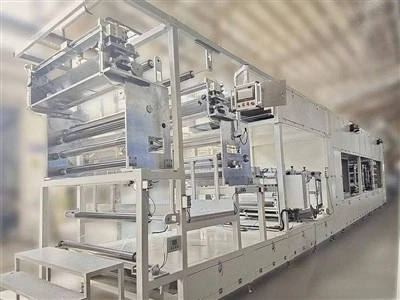
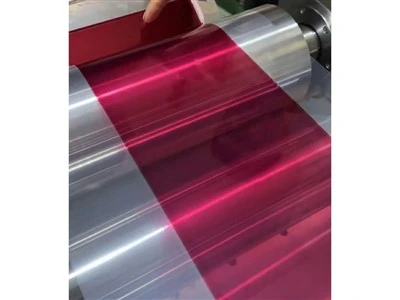
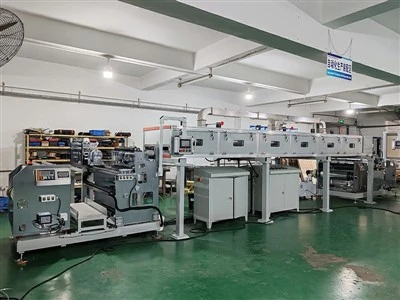
As a proud supplier of Slope Flow Coating Machines, I understand the significance of accurately measuring the coating thickness on substrates. In various industries such as electronics, medical, and battery manufacturing, a precise coating thickness is crucial for product performance, durability, and overall quality. This blog aims to delve into the various methods available for measuring the coating thickness applied by a Slope Flow Coating Machine.
Importance of Measuring Coating Thickness
Before we explore the measurement methods, it's essential to understand why measuring the coating thickness is so important. In industries like medical dressing production, a consistent and accurate coating thickness can ensure the proper release of active ingredients. You can learn more about Medical Dressing Applicator on our website. In the battery manufacturing sector, a precise coating is vital for the battery's electrochemical performance. Our Battery Coating Machine and Medium Lithium Battery Coating Machine are designed to provide high - quality coatings, where accurate thickness measurement is a key factor.
In consumer electronics, an uneven coating thickness can lead to product failures or poor aesthetics. For all these reasons, having a reliable way to measure the coating thickness is non - negotiable.
Direct Measurement Methods
1. Microscopic Measurement
One of the most straightforward ways to measure the coating thickness is through microscopic methods. A laboratory microscope can be used to observe a cross - section of the coated substrate. First, a small sample of the coated substrate is carefully cut and prepared. This preparation often involves embedding the sample in a resin to hold it in place and then polishing the cross - section to create a flat and smooth surface for examination.
Once the sample is prepared, it is placed under a microscope. High - magnification microscopes, such as optical microscopes or electron microscopes, can provide clear images of the coating and the substrate interface. By using the scale on the microscope's eyepiece or the built - in measurement tools, the thickness of the coating can be directly measured.
However, this method has some limitations. It is a destructive testing method, which means the sample is damaged during the preparation process. Also, it can be time - consuming and requires skilled operators to prepare the samples and analyze the images.
2. Mechanical Profilometry
Mechanical profilometry is another direct measurement method. A profilometer, which is a device with a stylus, is used to scan the surface of the coated substrate. As the stylus moves across the surface, it detects the height variations caused by the coating. The instrument then records these height differences and calculates the coating thickness.
This method has the advantage of being able to measure the thickness in multiple points across the surface, providing a more detailed thickness profile. But it has some drawbacks. The stylus can cause damage to the coating, especially if it is soft or delicate. Also, it may not be suitable for measuring very thin coatings or coatings with complex surface topographies.
Indirect Measurement Methods
1. Eddy Current Measurement
Eddy current measurement is a non - destructive and widely used method for measuring the thickness of non - magnetic coatings on conductive substrates. When an alternating current is passed through a coil placed near the coated substrate, it generates an alternating magnetic field. This magnetic field induces eddy currents in the conductive substrate.


The presence of the coating affects the eddy current flow and the magnetic field. By measuring the changes in the impedance or phase of the coil, the coating thickness can be determined. Eddy current gauges are relatively easy to use, portable, and can provide quick measurements. They are commonly used in industries such as automotive and metal finishing.
However, this method is highly dependent on the conductivity of the substrate and the coating properties. The accuracy may be affected by factors such as surface roughness, substrate composition, and temperature.
2. Ultrasonic Measurement
Ultrasonic measurement is also a non - destructive method, which is suitable for measuring the thickness of coatings on various substrates, including metals, plastics, and composites. An ultrasonic transducer sends high - frequency sound waves into the coated substrate. These sound waves travel through the coating and are reflected at the coating - substrate interface and then at the back of the substrate.
By measuring the time it takes for the sound waves to travel through the coating and the substrate and knowing the speed of sound in the coating and the substrate materials, the coating thickness can be calculated. Ultrasonic measurement is useful for measuring thick coatings and can also detect defects in the coating, such as delamination.
But this method requires calibration for different coating and substrate materials, and the accuracy can be affected by factors such as the coupling between the transducer and the substrate, the presence of air bubbles in the coating, and the acoustic properties of the materials.
Choosing the Right Measurement Method
When choosing a method to measure the coating thickness applied by a Slope Flow Coating Machine, several factors need to be considered. The first is the type of substrate and coating materials. For example, if the coating is non - magnetic and the substrate is conductive, eddy current measurement may be a good choice. If the coating is on a composite material, ultrasonic measurement may be more suitable.
The required accuracy of the measurement is also an important factor. For applications where a high level of precision is needed, such as in semiconductor manufacturing, microscopic measurement may be necessary. However, if a quick and approximate measurement is sufficient, a non - destructive method like eddy current or ultrasonic measurement may be preferred.
The cost and ease of use are also considerations. Some methods, such as microscopic measurement, require expensive equipment and skilled operators, while others, like eddy current measurement, are more affordable and easier to operate.
Wrap - up and Call to Action
Accurately measuring the coating thickness on a substrate coated by a Slope Flow Coating Machine is vital for ensuring product quality and performance. As a supplier, we strive to provide high - quality coating machines, including our Slot Die Coating Machine and Single - Station Coater. We are committed to helping our customers understand the best practices for coating thickness measurement.
If you are interested in our Slope Flow Coating Machines or other coating equipment, and you have any questions about coating thickness measurement or other aspects of our products, feel free to contact us to start a procurement discussion. We are here to provide you with the best solutions for your coating needs.
References
- ASTM International standards related to coating thickness measurement.
- "Handbook of Coating Technology" for general knowledge on coating processes and measurement.
- Various scientific research papers published in journals related to materials science and coating technology.