

How does automation equipment interact with other systems?
In the dynamic landscape of modern industry, automation equipment plays a pivotal role in streamlining processes and enhancing efficiency. As a leading automation equipment supplier, I have witnessed firsthand the transformative power of integrating automation technology into diverse industrial ecosystems. In this blog post, I will delve into the intricacies of how automation equipment interacts with other systems, exploring the mechanisms, benefits, and real-world applications of these interactions.
The Foundation of Interaction: Communication Protocols
At the heart of the interaction between automation equipment and other systems lies the ability to communicate effectively. This is achieved through a variety of communication protocols, each designed to facilitate the exchange of data and commands between different devices. These protocols serve as the language that enables seamless integration and coordination among various components of an industrial system.
One of the most widely used communication protocols in the automation industry is Modbus. It is a simple and robust protocol that allows devices to communicate over a serial or Ethernet network. Modbus enables automation equipment to read and write data registers in other devices, making it ideal for applications such as monitoring and controlling sensors, actuators, and other industrial equipment.
Another popular protocol is Profibus, which offers high-speed data transfer and is commonly used in manufacturing and process automation. Profibus is known for its reliability and flexibility, allowing for the connection of multiple devices in a complex network. It is particularly well-suited for applications that require real-time data exchange and precise control.
In addition to these protocols, there are also industry-specific standards such as CANopen for automotive and transportation applications, and EtherNet/IP for industrial Ethernet networks. These protocols are designed to meet the unique requirements of different industries, ensuring compatibility and interoperability between automation equipment and other systems.
Integration with Control Systems
Automation equipment often needs to be integrated with control systems to enable centralized monitoring and management of industrial processes. These control systems can range from simple programmable logic controllers (PLCs) to complex distributed control systems (DCS).

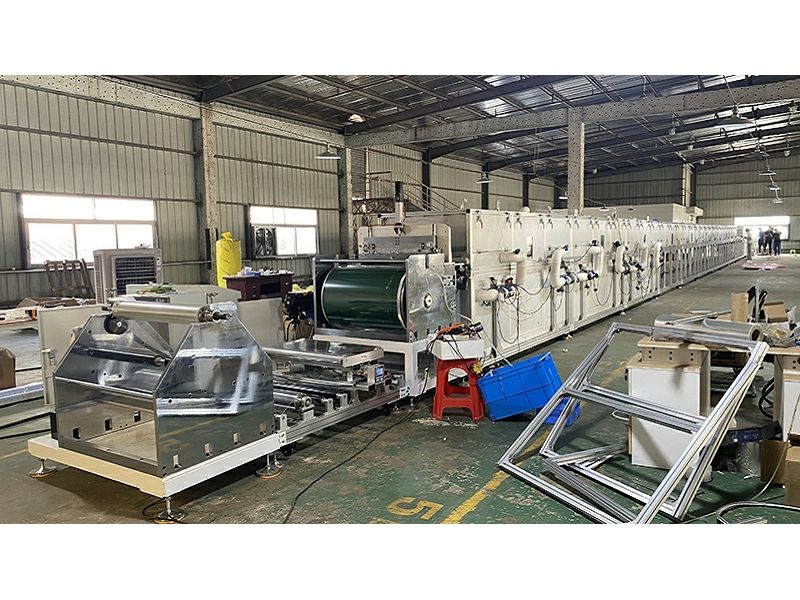
PLCs are widely used in industrial automation due to their reliability, flexibility, and ease of programming. They are capable of controlling a wide range of equipment and processes, from simple conveyor belts to complex manufacturing lines. Automation equipment can be connected to a PLC through various communication interfaces, allowing the PLC to receive sensor data from the equipment and send control signals to activate or deactivate specific functions.
DCS, on the other hand, are used in large-scale industrial applications where multiple processes need to be coordinated and controlled simultaneously. A DCS typically consists of a network of controllers, sensors, and actuators, all connected through a central control station. Automation equipment can be integrated into a DCS to provide real-time data on process variables such as temperature, pressure, and flow rate. This data can then be used by the DCS to make informed decisions and adjust the process parameters accordingly.
Interaction with Material Handling Systems
In many industrial settings, automation equipment works in conjunction with material handling systems to move raw materials, work-in-progress, and finished products throughout the production process. These material handling systems can include conveyor belts, automated guided vehicles (AGVs), and robotic arms.
Automation equipment can be synchronized with material handling systems to ensure that the right materials are delivered to the right place at the right time. For example, a coating machine might be integrated with a conveyor system so that products are automatically fed into the machine for coating and then transferred to the next stage of the production process. This integration not only improves the efficiency of the production line but also reduces the risk of errors and bottlenecks.
AGVs are another important component of material handling systems that can interact with automation equipment. These vehicles are equipped with sensors and navigation systems that allow them to move autonomously around the factory floor. They can be programmed to pick up and deliver materials to specific locations, based on the instructions received from the automation equipment. This level of integration enables a more flexible and efficient material flow, reducing the need for manual intervention.
Connectivity with Data Management Systems
In the era of Industry 4.0, data has become a valuable asset for industrial businesses. Automation equipment generates a vast amount of data related to process performance, equipment status, and quality control. This data can be used to improve operational efficiency, optimize production processes, and make informed business decisions.
To harness the power of this data, automation equipment needs to be connected to data management systems such as manufacturing execution systems (MES) and enterprise resource planning (ERP) systems. MES systems are used to monitor and manage the production process in real-time, providing visibility into key performance indicators such as production output, quality, and downtime. Automation equipment can send data to the MES system, allowing operators to track the progress of individual orders, identify bottlenecks, and optimize the production schedule.
ERP systems, on the other hand, are used to manage the entire business process, from procurement and inventory management to sales and customer service. By integrating automation equipment with the ERP system, businesses can ensure that production data is synchronized with other business functions, enabling better decision-making and resource allocation. For example, the ERP system can use production data from the automation equipment to generate accurate forecasts, plan inventory levels, and schedule maintenance activities.
Real-World Applications
The interaction between automation equipment and other systems has numerous real-world applications across a wide range of industries. Let's take a look at some examples:
- Chemical Industry: In the chemical industry, Chemical Test Paper Coating Line often needs to be integrated with environmental monitoring systems to ensure compliance with safety regulations. The coating line can be connected to sensors that monitor the concentration of chemicals in the air and water, and the data can be used to adjust the coating process parameters to minimize emissions.
- Medical Equipment Manufacturing: Automated Needle Pressing Equipment is used in the production of medical devices such as syringes and needles. This equipment can be integrated with quality control systems to detect any defects in the needles during the manufacturing process. The quality control system can send signals to the automation equipment to stop the production line if a defect is detected, preventing defective products from reaching the market.
- Biotechnology: The NC Nitrocellulose Membrane Coating Production Line is a critical piece of equipment in the biotechnology industry for producing diagnostic test strips. It can be integrated with laboratory information management systems (LIMS) to track the production process, manage inventory, and ensure the quality of the final product.
Conclusion
The interaction between automation equipment and other systems is a complex but essential aspect of modern industrial automation. By leveraging the right communication protocols, integrating with control systems, synchronizing with material handling systems, and connecting to data management systems, businesses can achieve higher levels of efficiency, productivity, and quality.
As an automation equipment supplier, we are committed to providing our customers with innovative solutions that enable seamless integration and interaction between our equipment and other systems. Whether you are looking to upgrade your existing production line or implement a new automation project, we have the expertise and experience to help you achieve your goals.
If you are interested in learning more about our automation equipment and how it can interact with your existing systems, or if you have specific requirements for your project, please feel free to reach out to us for a consultation. We look forward to the opportunity to work with you and help you take your business to the next level.
References
- Groover, M. P. (2015). Automation, Production Systems, and Computer-Integrated Manufacturing. Pearson.
- Bradshaw, J. M. (Ed.). (1997). Software Agents. MIT Press.
- Madni, A. M., & Sievers, J. L. (2010). Systems Engineering and Architecture: Principles and Applications. CRC Press.