


A roll comes off the line with bare stretches in the coating. The short ones run tens of millimetres, the long ones carry on for metres. Some stretch across the full width with an edge as square as a cut. Others are a narrow strip with a trail behind them.
Why does one shift run clean and the next bring three breaks an hour? The pressure gauge sits steady, the line speed has not moved, and none of the setpoints have been touched. Change the substrate roll and the breaks move with it. Clean the filter screen and the line runs quiet for half a day. Break sections cannot be picked out afterwards, so the coated length gets cut away. On a full roll, the waste adds up to a small order.
Battery electrodes, optical films, release liners and medical dressings all need an unbroken coating. A break on an electrode leaves a gap with no active material, and the cell carries a capacity hole. On an optical film, the bare patch shows as a colour shift in the next coating or lamination step.
Follow the web through the line.
When the Feed Draws Air, the Coating Stops
Air in the pump takes a bite out of the coating.
A pump lifts slurry on a continuous column of liquid on the suction side. Let air into that column and it breaks, and the delivery drops to near zero for that instant. The head gets no slurry, and the web comes away bare. Where does the air come from? The drum level falls below the inlet and a vortex pulls air down. A seal on a fitting hardens, and the line leaks on the suction side. The return line drops too far and comes back carrying foam.
Breaks from this source sit at even spacing, one after another down the web. The spacing matches one pump stroke or one circulation cycle. At thirty metres a minute, a gap of five hundred millimetres comes round once a second. That is where a diaphragm pump sits on its stroke. Measure the spacing and the arithmetic usually settles the direction.
Watch the drum level. The inlet normally sits fifty to a hundred millimetres off the bottom, depending on the drum shape and the impeller position. A vortex can reach past that and pull air from well below the inlet, so depth alone will not save you. A baffle costs very little and many drums do not have one. A coating machine manufacturer who quotes a level switch and a low-level alarm on the feed section hears about it later. Two years later, not on delivery day.
Take a torch to the suction pipe and look for bright bands along the wall. Bright means air. Slurry does not pass light.
Slurry Builds Behind the Blade and Leaves in One Go
Slurry collects on the back of the blade.
It gathers in the gap behind the doctor blade and the end dams. The solvent leaves and the solids thicken into a half-dry slug. Fresh slurry carries the pieces along until one lets go, and the coating under it goes with it. The break edge usually trails, because the slug leaves the blade at an angle.
These breaks keep no schedule. One shift runs clean and the next brings three. How large does the slug have to get before it lets go? Nobody can calculate it, because it depends on the build-up thickness and the state of the slurry. Switch to a high-solids or fast-drying formulation and it builds faster.
Stop the line and put a torch on the back of the blade. A dark, raised ridge of dried solids at the edge is the one. Rub it and it feels hard. Clear it, restart, and if the breaks stop, the direction is settled. The end dam clearance, the blade angle and the seal fit set how fast it builds. Few buyers ask about this section at the quoting stage. A machine builder who leaves a discharge groove in the blade holder earns that back on site.
A Tension Spike Drops the Transfer to Zero
Unstable tension costs you transfer.
To pull slurry off the roll face, the web has to travel against it. Let the tension spike and the web slips, or lifts for an instant. The metered layer stays on the roll instead of transferring, and a break appears. A splice passing a roller, a change in unwind diameter, a drive that cannot respond fast enough. Any of them leaves a spike in the tension.
A square break running across the full width usually belongs here. A splice that steps up in thickness changes the gap for an instant, which comes to the same thing.
The answer is in the records. A needle flick is too fast to read off the gauge. Pull the chart from the tension recorder, find the time of the break, and look at that second. A spike there settles it. Tension normally holds within five per cent of setpoint, and past that the breaks will come. Across the unwind to rewind span, the roll diameter changes by more than three times. A control loop that was never set up properly will drift with it. An equipment supplier who puts the loop detail into the proposal saves a hardware retrofit later.
Dry Cells and a Starved Roll Face
No slurry on the roll face means no coating on the web.
Gravure and anilox rolls carry slurry in their cells. A clogged cell or a dry patch on the face delivers too little at the nip. The transfer drops below the threshold and the coating breaks. Line speed too high, slurry drying too fast, the blade angle off. Any of them leaves the roll face starved between the pan and the nip.
Dry cells produce breaks at a fixed interval, equal to the roll circumference. A roll of two hundred millimetres diameter has a circumference of six hundred and twenty-eight millimetres. A break every six hundred and twenty-eight millimetres on the web, and where else would you look first?
After a stop, hold a torch against the roll face and check for bright or whitened cells. A magnifier walked along the face gives a better answer. Set the cleaning interval too long, or pick the wrong cleaning agent, and the cells clog faster. Blade angle against the roll face sets how much slurry leaves with it. A coating line manufacturer who writes the angle range and the cleaning interval into the proposal gives the line something to work to.
What the Break Edge Tells You First
Read the break edge first.
A square break across the full width points at a splice or the tension. A clean edge means an instant event, with coating on both sides and nothing in between. Breaks that run in a line down the web, uneven in length, point at the feed. A trailed edge points at slurry on the blade, since a slug left a mark on its way out.
Then read the spacing. Even spacing that matches the line speed comes from a rotating or time-based part. Change the line speed and see whether the spacing moves with it. If it does, the pump and the drives are in frame. If it holds, the roll circumference is. One measurement takes half the candidates off the list.
Next, pull the records. Put the tension chart and the feed pressure side by side against the time of the break. Whichever moved in that second takes the lead. A dry run helps too. Send the web through with no slurry and watch for slip, wrinkles or tracking drift. If the dry run is clean, the cause sits in the slurry and the metering section.
Finally, cut a length of web at the break. A square edge sends you to the tension and the splice. A stringy, trailed edge sends you to the blade and the slurry. Whether the slurry at the edge is dry or wet separates the two further. Dry means the break happened a while back, wet means it just happened.
The data sits in several places. Splice position and thickness step, tension loop response, roll line count and cleaning interval, pump delivery curve. You have to know who holds each one. A coating line supplier holds one part and the drive data sits elsewhere, and the picture only forms when they come together. Some breaks cannot be read off a parameter sheet. Someone has to stand at the machine and watch a batch run. A coating machine manufacturer with a team that knows slurry shows it here.
Keeping the Transfer Continuous
The feed section is settled at the design stage. Inlet height, anti-vortex baffle, pipe fall and vent points all belong in the proposal, once. Adding a length of pipe and a baffle later is site work, and it needs a stop. A level switch and an alarm cost little, and plenty of lines leave them out. A coating machine manufacturer who puts the inlet height in writing saves the site a round of trial and error.
Slurry on the blade is held back by scheduled cleaning. Set the interval against the formulation, shorter for fast-drying stock. Align the end dam and blade clearance at assembly and recheck after a running period. A blade holder with a discharge groove lets the build-up leave as it forms, instead of gathering into a slug. A supplier who lists the cleaning interval and the consumables in the proposal takes the guesswork off the line.
Tension stability comes down to the drive package. Separate closed loops on unwind and rewind hold better than one controller shared between them. Where splice positions are known in advance, the drive can compensate as it passes a roller. A machine builder who writes the tension loops into the electrical package leaves less to change later.
A clean roll face is the last one. Cleaning interval, cleaning agent and cell depth have to match. Ultrasonic cleaning works on clogged cells, and thin plating needs to stay away from aggressive chemistry. Recheck backing roll runout and face condition on a schedule. Where a manufacturer has quoted the mesh and the change-out interval, follow it. An OEM writes down who handles cleaning and parts replacement, and that clause earns its keep in the second year.
A coating line manufacturer who has quoted the filtration and cleaning package has already set the change-out frequency and the cleaning load. An equipment supplier who puts those numbers in the proposal gives the line something to follow. Margin left for cleaning and parts access shows up as downtime saved. A quick-change roll, or an access door over the filter, is a small change with a visible effect.
Conclusion
Breaks in the coating seldom come from one cause. Air drawn into the feed, slurry on the blade, a tension spike, a starved roll face. Four of them are often present at once, and a formulation change or a new substrate roll shifts which one leads. Finding the one that dominates beats working on all four.
Stable production needs material analysis, process testing and equipment design to line up. The metres lost to a break look small on their own, and several breaks a day take a month of yield with them.
In the end it comes down to a continuous feed, steady tension and a clean roll face. The point is how the three are managed together. Whether a coating line manufacturer can put numbers on all three becomes clear in a few minutes of conversation. Problems like this come up often in custom work. Innater has built coating machines to order across a range of products and processes. Precision, thickness and uniformity are worked out against your slurry and your target thickness.
Write the acceptance basis for breaks into the technical agreement as a separate line. What length counts as a defect, and where the sample is taken, so both sides read the same scale. An equipment supplier and a coating line supplier who are detailed on those lines leave less to argue about later. The first three months after the line arrives test people more than the day the contract is signed. A machine builder that stays with you to production is usually clear by then.
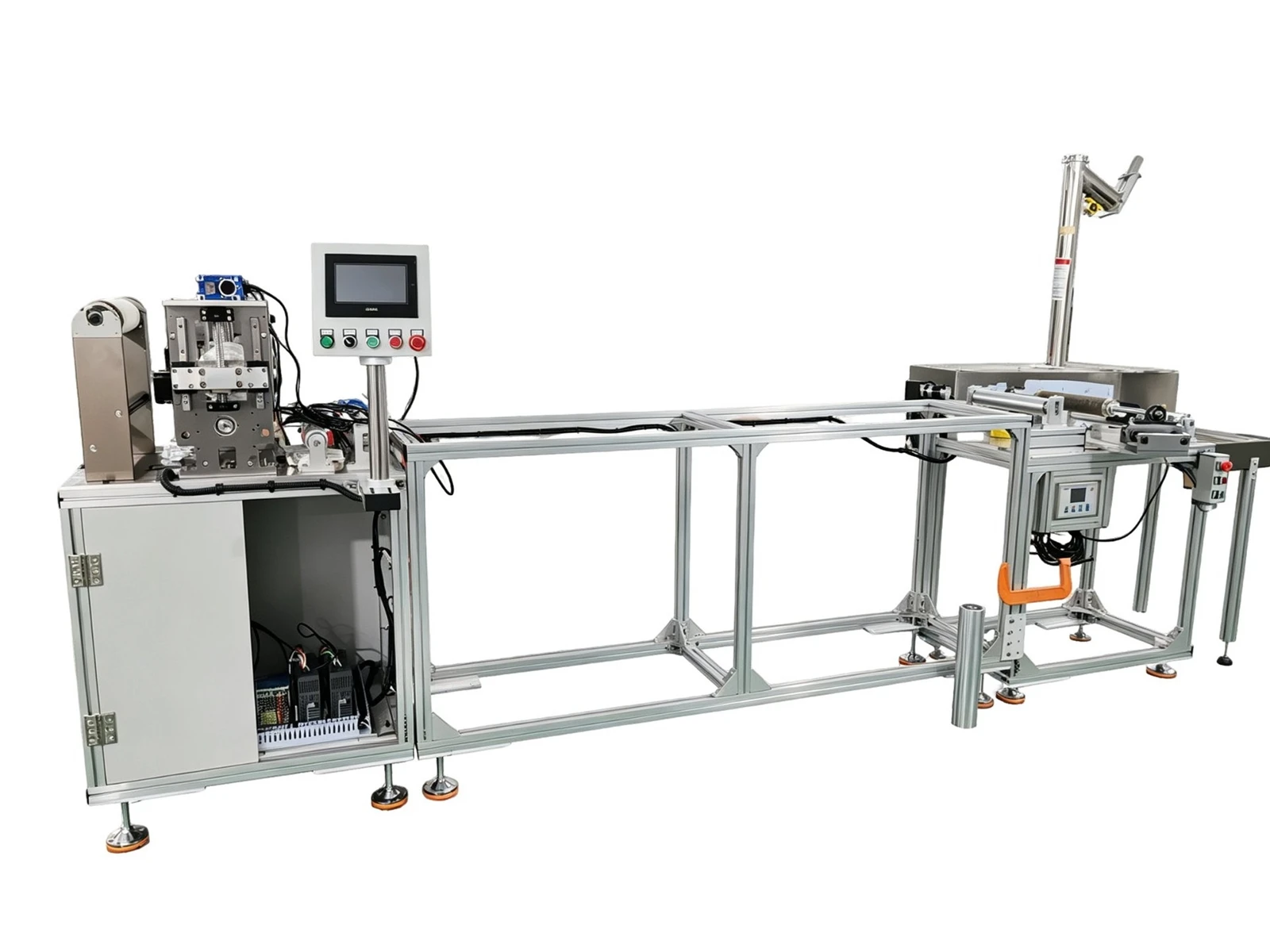
haul off machine-Innate
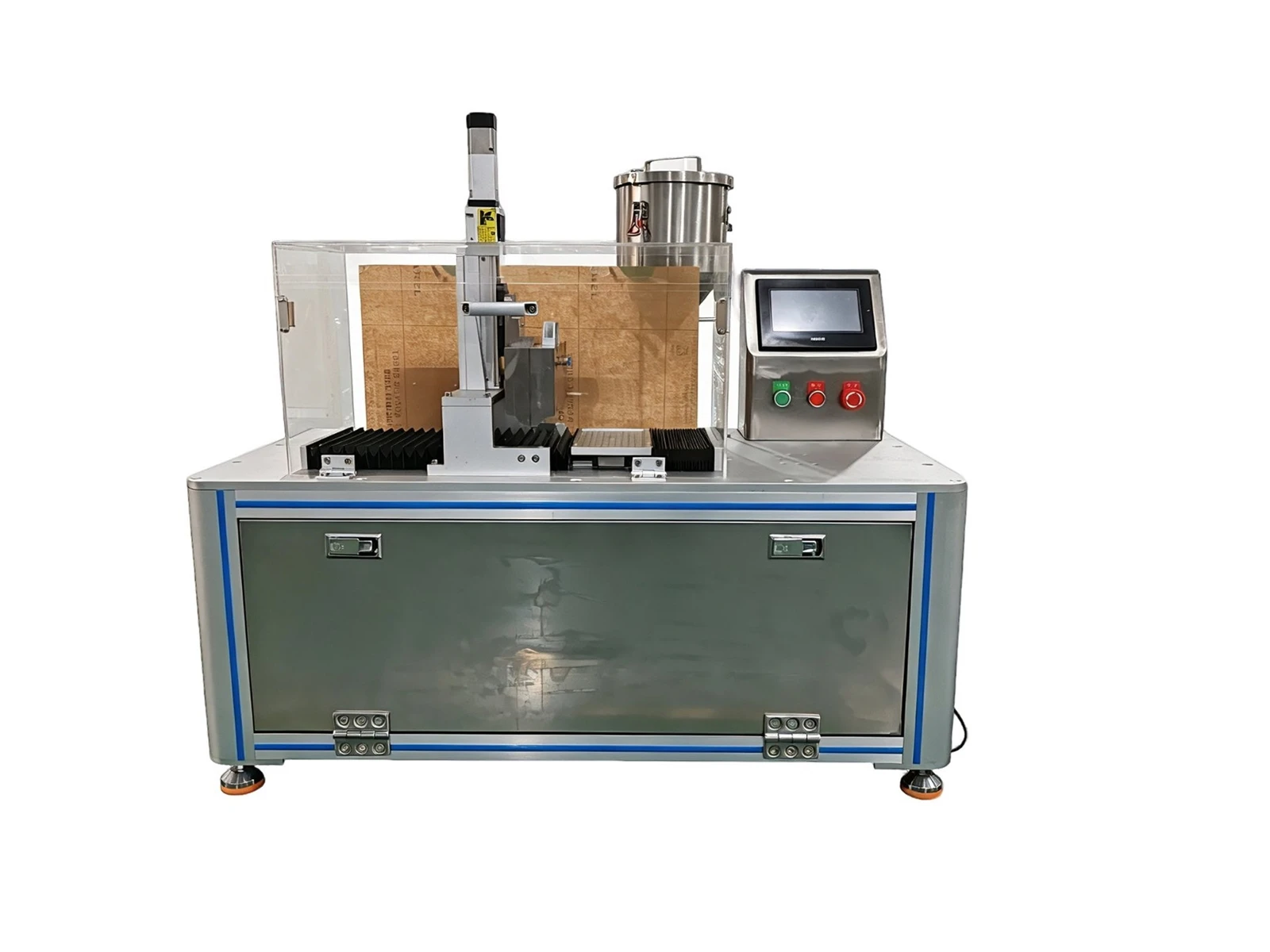
hyaluronic acid coating machine-Innate
Published by Innater Intelligent Equipment Co., Ltd, a maker of non-standard coating machines and automated lines. Email 13316631159@163.com | Website https://www.getinnater.com/ | Tel +8613316631159


